Stephanie White’s Fiery Stand: Defending the WNBA Against Hate and Division
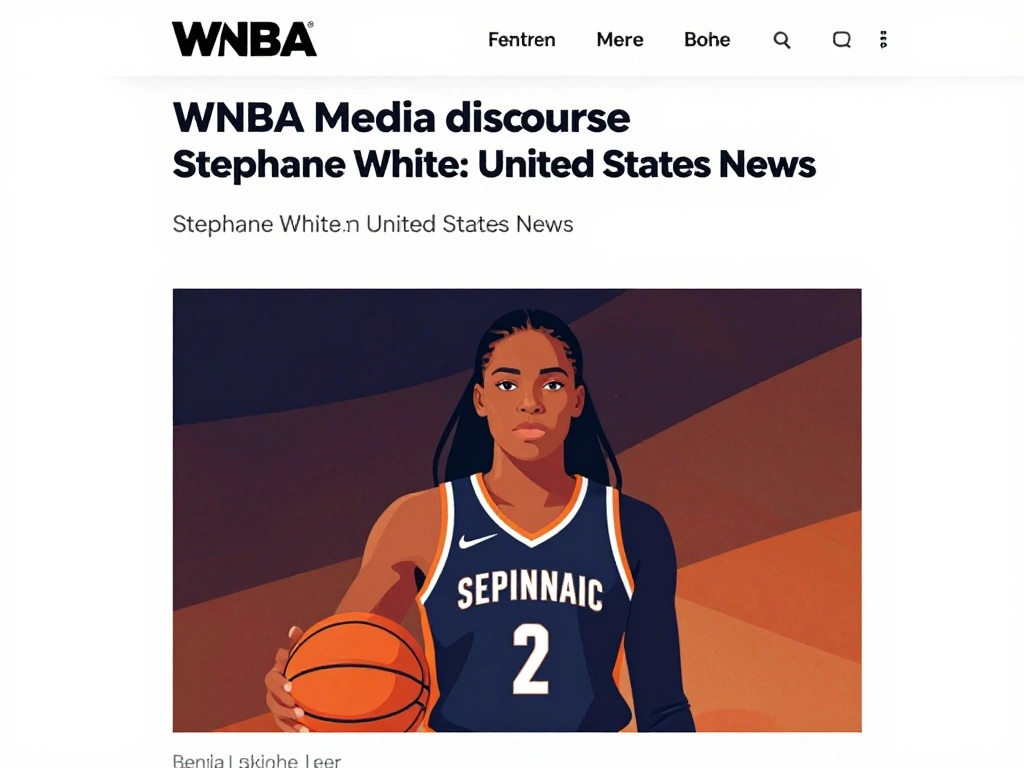
In a season marked by intense scrutiny and online toxicity, Indiana Fever head coach Stephanie White has delivered a powerful message that resonates far beyond the basketball court. Ahead of Tuesday’s game against the New York Liberty, White used her pregame media availability not to discuss X’s and O’s, but to address the growing negativity surrounding the league. With a fiery and impassioned speech, she declared, “The hate, the fear-mongering, the divisiveness, the stuff that is trying to hijack our league will not win.” Her words were a direct response to the controversies that have placed the Fever at the center of WNBA discourse, and they underscored her commitment to protecting her players from the external chaos.nnWhite’s remarks were quickly characterized by reporters and outlets as “passionate,” “important,” and “scathing.” Chicago Sun-Times reporter Annie Costabile labeled it an “Important statement from Indiana Fever coach Stephanie White,” noting that she had delivered “something important, emotional and powerful.” The speech was not just a defense of her team but a broader call to action against the toxic environment that has permeated the league, both in arenas and on social media. White’s decision to bypass traditional media questions in favor of a direct address highlighted the urgency she feels about the current state of the WNBA.nnThe response from the sports media was swift and largely supportive. ESPN’s Malika Andrews praised White’s “honesty and transparency,” emphasizing that the network believed it was “important” to air the statement. Andrews also complimented Fever players like Caitlin Carter and Nneka Ogwumike for steering the network’s WNBA conversations “so well and so gracefully.” However, some critics noted that ESPN had moved beyond merely reporting White’s comments and into validating the premise behind them, signaling a shift in how the media covers such moments of player and coach advocacy.nnAt its core, White’s speech was a rallying cry for unity and respect. By standing up against the “haters, trolls, and ill-wishers,” she not only defended her players but also set a precedent for how coaches and teams can navigate the increasingly volatile landscape of professional sports. As the WNBA continues to grow in popularity, the challenges of managing public discourse become more complex.
 Shimanta Das