Southwest Airlines Overhauls Seating: What Passengers Need to Know
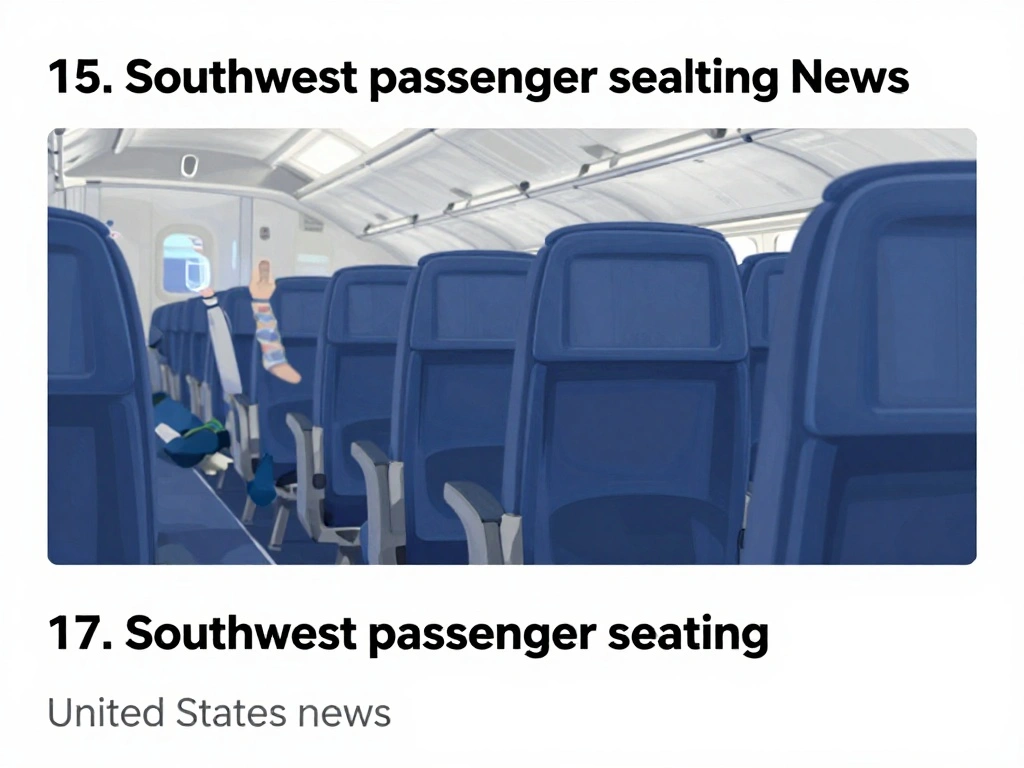
Southwest Airlines, long known for its unique open-seating policy and free checked bags, is making historic changes that will reshape the passenger experience. Starting Tuesday, the airline will officially end its decades-old open-seating arrangement, moving to assigned seating. This shift, first announced in July 2025, is part of a broader strategy to boost revenue and cater to passengers’ growing preference for premium seating options. With this change, travelers can now choose from Standard, Preferred (near the front), and Extra Legroom seats, marking a significant departure from the carrier’s traditional first-come, first-served boarding.nnIn addition to assigned seating, Southwest is updating its “customers of size” policy, which will now require plus-size passengers to purchase an additional seat if they encroach upon a neighboring seat. This controversial move is expected to raise ticket prices for those affected, aligning with similar policies at other airlines. The airline has stated that this is an important step in its evolution, and it remains committed to pairing these enhancements with its legendary customer service. However, passengers should be aware that these changes are part of a series of major policy shifts announced over the last two years, making Southwest the last major U.S. carrier to adopt assigned seating.nnFor existing bookings, there is some good news: bookings made before May 27, 2025, remain eligible for two free checked bags—unless the itinerary changes, in which case fees will apply. This grandfathering provision offers a temporary reprieve for loyal customers, but it underscores the need for travelers to review their fare bundles and loyalty status benefits closely. As the airline transitions, perks and fees will vary significantly depending on the fare type and loyalty tier, so passengers should carefully evaluate their options before booking.nnLooking ahead, Southwest encourages passengers to familiarize themselves with the new seating options and associated costs. The airline’s move to assigned seating is a pivotal moment in its history, signaling a shift toward a more traditional airline model. While some loyalists may lament the loss of open seating, the change is designed to meet evolving passenger expectations and improve revenue streams. As the industry watches, Southwest’s ability to balance innovation with its renowned customer service will be key to maintaining its competitive edge. For now, passengers should plan ahead

 Shimanta Das