Sally Rooney Pulls UK Book Sales Over Support for Banned Palestine Action
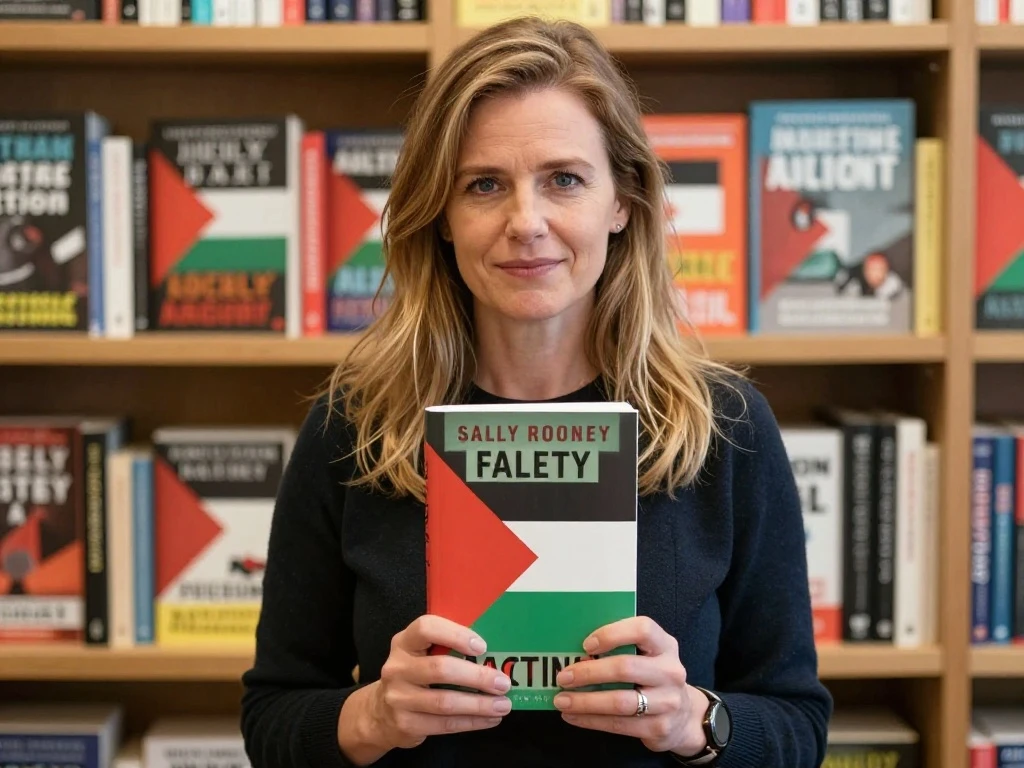
Irish author Sally Rooney has announced she will no longer sell her books in the UK due to her support for Palestine Action, a direct-action protest group that was banned and designated a terrorist organisation in the UK as of July 5, 2025. The decision marks a significant escalation in the acclaimed novelist’s public advocacy for the Palestinian cause and highlights the growing tension between artistic expression and national security legislation.
Rooney, 35, has previously pledged to donate earnings from her books and BBC adaptations of her novels to Palestine Action, which describes its goal as “ending global participation in Israel’s genocidal and apartheid regime.” The group has targeted facilities linked to an Israeli weapons manufacturer and, in a major security breach last year, managed to break into Britain’s largest air force base. Since the ban, several thousand people in the UK have been arrested for supporting Palestine Action, mainly for carrying placards and wearing T-shirts.
Her publisher, Faber, expressed support for Rooney while confirming the sales halt in the UK. In a statement, Faber said: “We remain the proud publisher of her remarkable body of work, which we will continue to sell in other territories.” The publisher also emphasised that “the proscription of Palestine Action does not affect lawful protest in support of the Palestinian cause, which remains a fundamental democratic right.” This distinction underscores the delicate balance between upholding free expression and enforcing counter-terrorism laws.
Rooney’s decision raises important questions about the role of artists in political activism and the consequences of supporting organisations deemed illegal by the state. While her stance may alienate some readers, it also solidifies her reputation as a writer willing to sacrifice commercial interests for her convictions. As the debate over Palestine Action continues, Rooney’s actions will likely inspire further discussion on the limits of protest and the responsibilities of public figures in times of political polarisation.

 Shimanta Das