Red Flag Warnings: What You Need to Know About the Latest Fire Weather Alerts
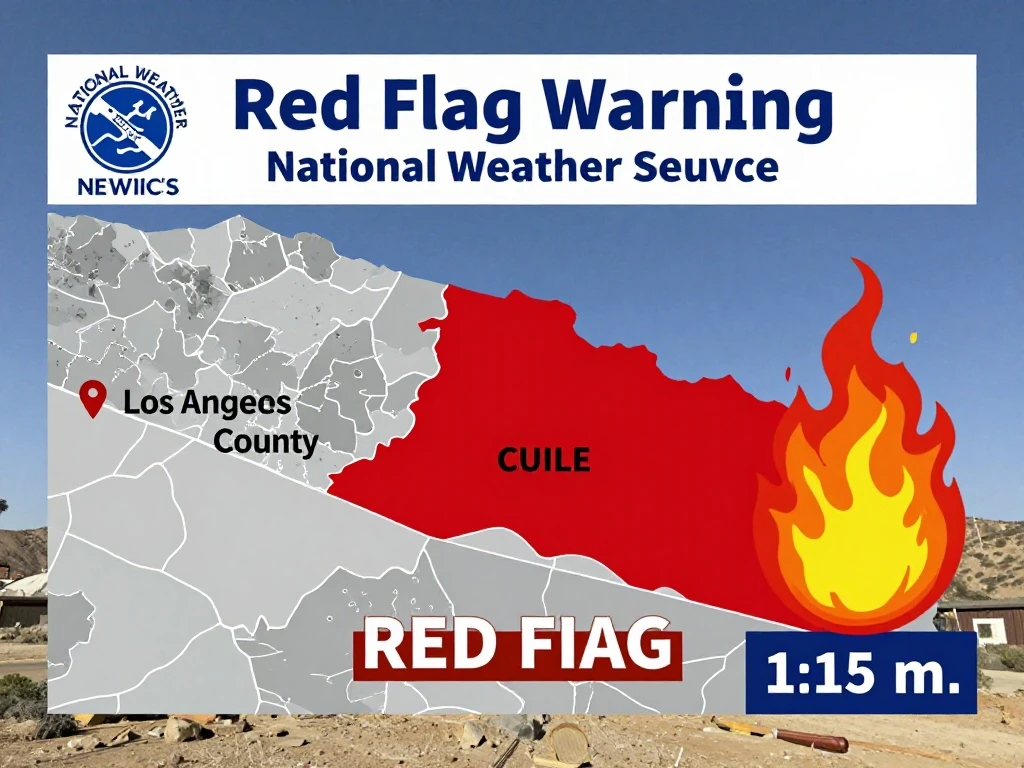
The National Weather Service (NWS) issued an updated red flag warning for Los Angeles County on Wednesday at 1:15 p.m., effective from Thursday at 6 a.m. This alert underscores the ongoing threat of dangerous wildfire activity in the region. Red flag warnings are critical because they signal that weather conditions and fuel moisture levels are ripe for wildfires to ignite and spread rapidly. While modern mass-communication channels like wireless alerts and social media now deliver these warnings instantly, the image of a red flag remains a powerful symbol, urging residents to take precautions and stay vigilant for smoke. When critical weather and fuel moisture conditions align, the NWS sends alerts to local land management agencies, who then coordinate with fire departments and emergency services to prepare for potential outbreaks.
Red flag warnings are not issued lightly. They require a specific combination of critical fuel conditions and weather parameters. Forecasters consider numerous factors, including sustained winds or wind gusts, low relative humidity, drought conditions, daily vegetation moisture calculations, predicted afternoon high temperatures, and a National Fire Danger Rating System index of “High or Higher.” Thunderstorms or dry lightning also contribute to the risk. Among these, some are primary criteria for declaring a red flag warning, while others are contributing factors. Land management agencies determine when fuel characteristics pose a higher risk for large fires, while NWS forecasters assess when weather conditions become critical. A red flag warning means that critical fire weather conditions are either occurring now or will shortly, so residents should be ready to act.
The current warning for Los Angeles County comes amid a broader pattern of active weather across the country. Showers and thunderstorms are expected from the Southern Plains into the Ohio Valley, with heavy rain and widely scattered severe storms over parts of the central and southern Plains. Meanwhile, record warmth is forecast for the Central U.S. These contrasting conditions highlight the importance of staying informed about local fire weather risks. In fire-prone areas, it’s essential to follow evacuation orders, avoid activities that could spark fires, and report any signs of smoke. As the NWS continues to monitor conditions, residents should remain alert and prepared. For the latest updates, check local forecasts and heed all warnings issued by authorities.

 Shimanta Das