Putin in German News: Rubel Hoarding and the Kremlin’s Economic Woes
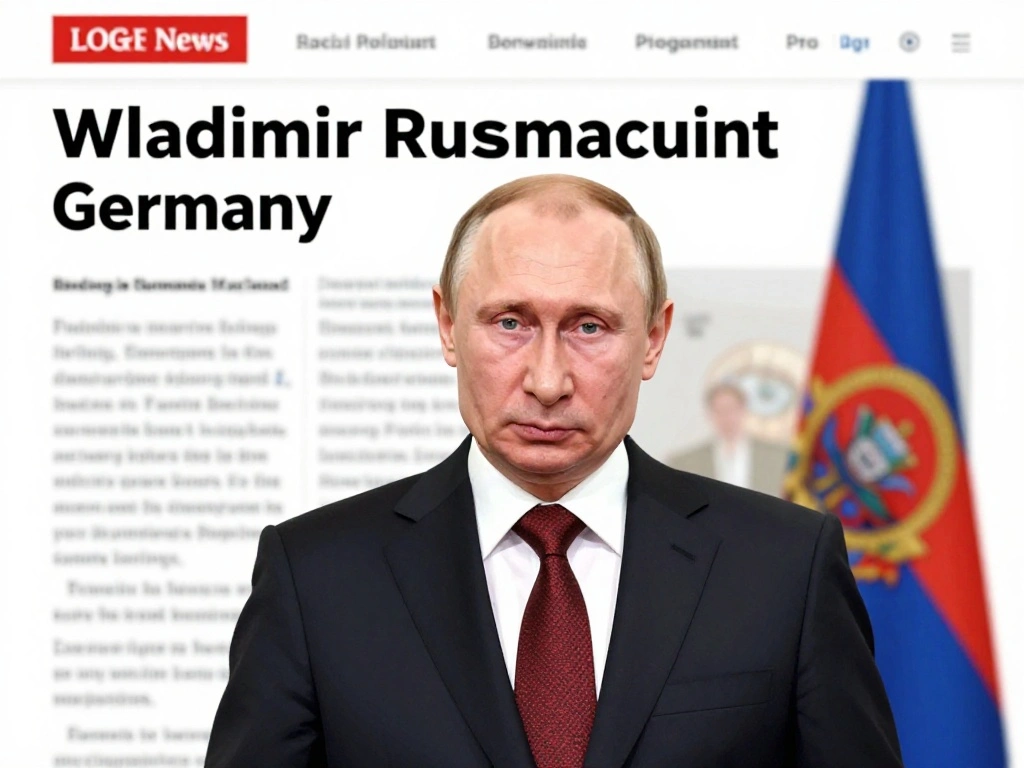
Wladimir Putin, the President of the Russian Federation, continues to dominate headlines in German media, but not always for the reasons the Kremlin might prefer. Recent reports highlight a significant surge in cash rubles held by Russians, a development that signals deep-seated economic anxieties. According to data, the amount of cash in circulation in Russia jumped by 43.1% in July compared to June, marking the largest increase since September 2022. This hoarding of rubles is a clear indicator of public distrust in the financial system, a trend that is unlikely to please the Kremlin.nnThe reasons behind this cash rush are multifaceted. Economic instability, inflation, and the ongoing war in Ukraine have all contributed to a climate of uncertainty. Russians are increasingly preferring to hold physical currency rather than rely on banks, which they fear may face restrictions or collapse. This behavior is a classic response to economic turmoil, and it reflects a broader erosion of confidence in Putin’s leadership. German news outlets have been quick to point out that this trend is a bad omen for the Russian economy, which is already strained by international sanctions and the costs of military aggression.nnMoreover, the impact of Putin’s policies extends beyond Russia’s borders, affecting even Germany’s domestic agenda. As noted in a commentary by Gabor Steingart, wars waged by leaders like Putin and Trump are undermining political reforms in Germany. While Chancellor Merz is not directly involved in these conflicts, the escalation of tensions threatens to derail his legislative priorities. The ripple effects of geopolitical instability are felt in Berlin, where economic and social reforms are being overshadowed by the need to respond to external crises. This interconnectedness highlights how Putin’s actions resonate far beyond the battlefield.nnIn a related vein, a guest contribution by Elena Davlikanova argues that Ukraine is dismantling the myth of Russia’s invincibility. For years, Russia has waged a ‘cognitive war’ against the West, projecting an image of strength and inevitability. However, Ukraine’s resistance has exposed vulnerabilities, challenging the narrative that Putin’s regime is unbeatable. This shift in perception is crucial, as it undermines the psychological foundation of Putin’s power. German media coverage of these developments serves as a reminder that the conflict in Ukraine is not just a military struggle but also a battle for credibility and

 Shimanta Das