New York Declares State of Emergency as Measles Cases Surge to 92 in Under-Immunized Communities
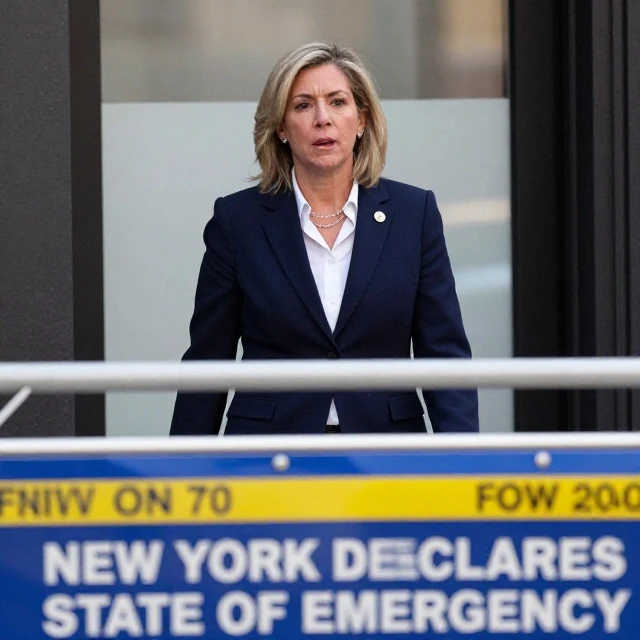
New York Governor Kathy Hochul declared a state of emergency on Monday in response to a dramatic spike in measles cases across the state. The outbreak has primarily affected under-immunized, rural communities in 18 counties, with 92 cases reported since July 15. The majority of infections have been concentrated in Otsego, Seneca, and Steuben counties, according to state health officials. The emergency declaration, which took effect Monday, is scheduled to remain in place through November 4 as health officials work to contain the outbreak and increase vaccination coverage.
This year’s outbreak is the worst in New York since 1991 and has already claimed five lives. The total is significantly above the state’s typical annual measles caseload, prompting urgent action. Despite the severity of the situation, consent requirements for receiving the MMR vaccine remain unchanged. Governor Hochul emphasized the preventable nature of the disease, stating, “No one should get seriously ill or die from a vaccine-preventable disease.” Health officials, including Palak Raval-Nelson, have stressed that measles exposures are “a reminder of how important it is for all of us to be up to date on our vaccinations.”
The outbreak has also raised concerns beyond New York, as the world’s most contagious virus has hit a major U.S. airport, with officials warning of possible exposure. Measles is highly transmissible and can spread rapidly in communities with low vaccination rates. The state of emergency allows health officials to take swift measures to contain the virus, such as increasing vaccine access and coordinating response efforts. As the emergency remains in effect through early November, authorities are urging residents to ensure they are fully vaccinated to protect themselves and their communities.
 Shimanta Das