New Jersey Microsoft Data Center Accused of Illegal Toxic Air Pollution from Unpermitted Generators
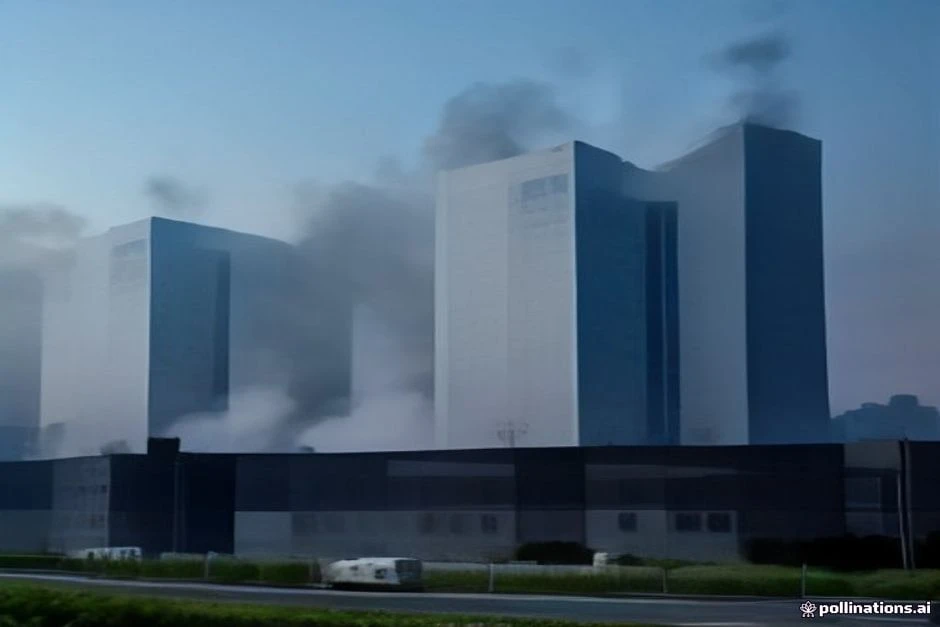
Environmental regulators have taken enforcement action against a Microsoft data center in New Jersey for operating unpermitted gas generators that allegedly emit toxic air pollution. The facility, operated by DataOne, reportedly turned on the first generators in October, according to maintenance logs. However, it remains unclear how long the generators had been operating before regulators discovered them, as they were not present seven months prior during a December 2025 inspection. The generators are being used temporarily until fuel cells become operational.
Environmental advocates welcomed the enforcement action but questioned whether the penalty would have a significant impact on the company. “It remains unclear how long the generators had been operating before regulators discovered them,” said one advocate, highlighting concerns about oversight. DataOne did not respond to questions regarding its unpermitted generators but said the company “remains committed to meeting all applicable environmental and permitting requirements.”
The controversial tactic of data centers building their own gas plants was pioneered by Elon Musk’s data centers along the Tennessee and Mississippi border and has since gone mainstream. Nationwide, nearly 60 data centers are planning to build their own gas plants, according to research by energy analytics firm Cleanview. This trend raises significant environmental concerns, as these plants can emit pollutants without proper permits or oversight.
As the demand for data centers continues to grow, so does the need for reliable and sustainable power. However, the use of unpermitted generators poses risks to air quality and public health. Regulators and advocates are calling for stricter enforcement and greater transparency to ensure compliance with environmental laws. The case in New Jersey serves as a reminder of the challenges in balancing technological advancement with environmental responsibility.

 Shimanta Das