Midterm Election Battle Intensifies Over Immigration and Border Policy
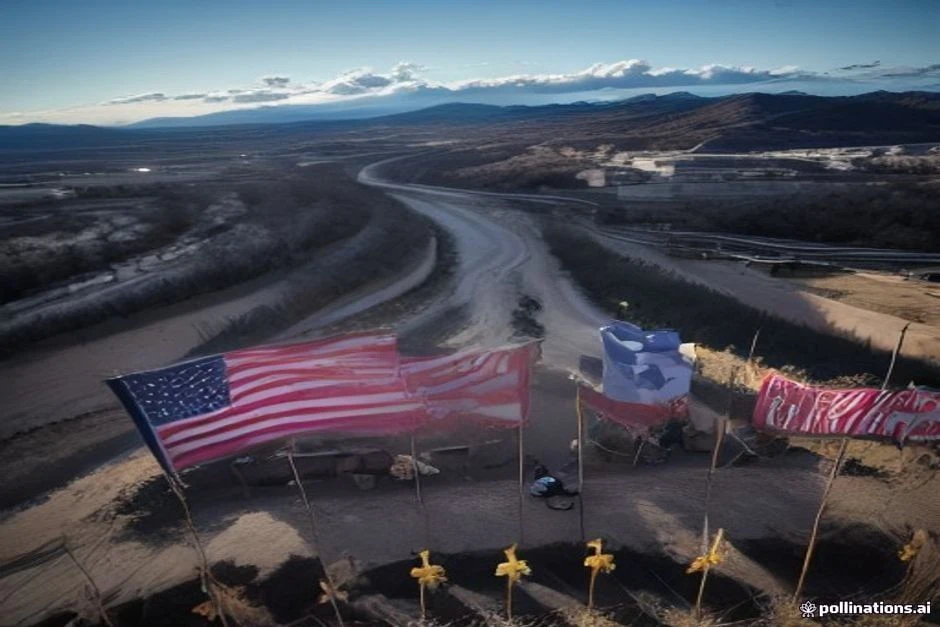
As the midterm elections approach, immigration and border policy have emerged as the most polarized issues in American politics, with a partisan gap larger than on any other domestic policy. Recent polling from Gallup, NPR, and PBS NewsHour reveals a stark divide: roughly 50% of voters prioritize enforcement and stricter border controls, while 50% prioritize pathways to citizenship and humanitarian treatment of asylum seekers. Yet, a deeper look shows that 60% support more border security, but 65% also support a legal pathway for long-term residents. This suggests that the majority holds two positions simultaneously—enforcement and a pathway—creating a complex landscape for candidates.
While Democrats have seen positive news in recent polls, their performance in big urban centers with large minority populations remains a question mark. These growing areas, where minorities constitute about half the population or more and median incomes and college degrees generally exceed national averages, have been essential to Democrats’ increased competitiveness across the Sunbelt. However, Republicans made significant gains among Hispanic men in 2024 by focusing on border security, crime, and economic concerns—a coalition-building effort that may continue in 2026. Cuban-Americans in Florida remain strongly Republican on immigration, while Puerto Ricans, who are US citizens, focus more on economic and healthcare issues.
Meanwhile, well-educated, affluent, and majority White counties immediately outside major cities, especially in Northern states, first shifted blue under Bill Clinton in the 1990s. Improving on the eight-point margins amassed by Biden and Harris in prosperous Johnson County, Kansas—where the median income exceeds $109,000 and nearly 60% of adults hold college degrees—will be key to Democrat Adam Hamilton’s hope of breaking the party’s nearly 100-year losing streak in Kansas Senate races. Similarly, Tarrant County, a majority non-White Texas county revolving around Fort Worth, represents a critical battleground where demographic change and suburban shifts could tip the balance.
As the battle intensifies, both parties must navigate a polarized electorate that demands both security and compassion. The outcome in these key counties and among diverse voter groups will likely determine control of Congress, making immigration and border policy not just a national debate but a local one that resonates in every community.

 Shimanta Das