Justice Department Launches Antitrust Probe into Five Major TV Networks Over White House Pool Coverage Dispute
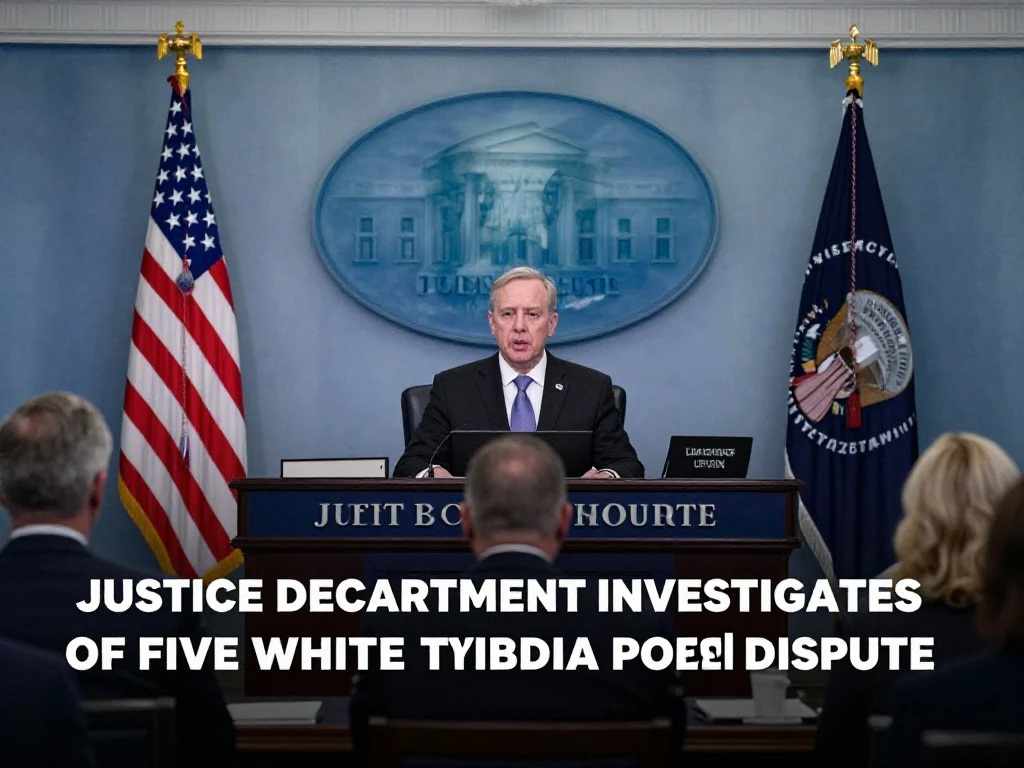
WASHINGTON — The Justice Department has opened a formal antitrust investigation into five major TV broadcast networks after they temporarily declined to provide pool coverage of President Donald Trump, a department spokesperson confirmed. The probe, announced Saturday, examines whether the networks’ collective decision violated federal competition laws. According to the spokesperson, group boycotts among business competitors might violate US law, and the Antitrust Division is “simply investigating to determine whether these news organizations have violated the antitrust laws.”
The dispute began last month when the networks—part of the White House television press pool—temporarily stopped handling pool coverage of the president. In a joint statement at the time, the five networks said: “The public has a vital interest in receiving accurate, independent information about its government.” That rationale, however, has not shielded them from scrutiny. The investigation raises thorny questions about the intersection of antitrust enforcement and press freedom. As one observer noted, “But if that’s a sufficient justification for the cooperation in coverage, why isn’t standing up to protect the free press at least as an important a justification?”
The probe comes amid a broader pattern of regulatory pressure on media outlets. Under FCC Chairman Brendan Carr, the agency has launched investigations of all other major broadcast networks—including NPR—with the notable exception of the Fox broadcast network, owned by Trump’s political ally Rupert Murdoch. Meanwhile, President Trump is also suing many major news organizations as an individual. The Justice Department’s action signals an aggressive stance toward media entities that run afoul of the White House, even as the networks maintain their decision was rooted in journalistic principle.
Legal experts suggest the case could set a significant precedent for how antitrust law applies to news organizations’ collective actions. While the networks argue their temporary withdrawal was a matter of editorial independence, the government contends it may amount to an illegal boycott. The investigation is ongoing, and no charges have been filed. The five networks have not commented beyond their earlier joint statement. As the probe unfolds, it will test the boundaries between protecting free press and enforcing fair competition—a balance with profound implications for American democracy.

 Shimanta Das