John Fetterman: The Maverick Democrat Testing Party Loyalty
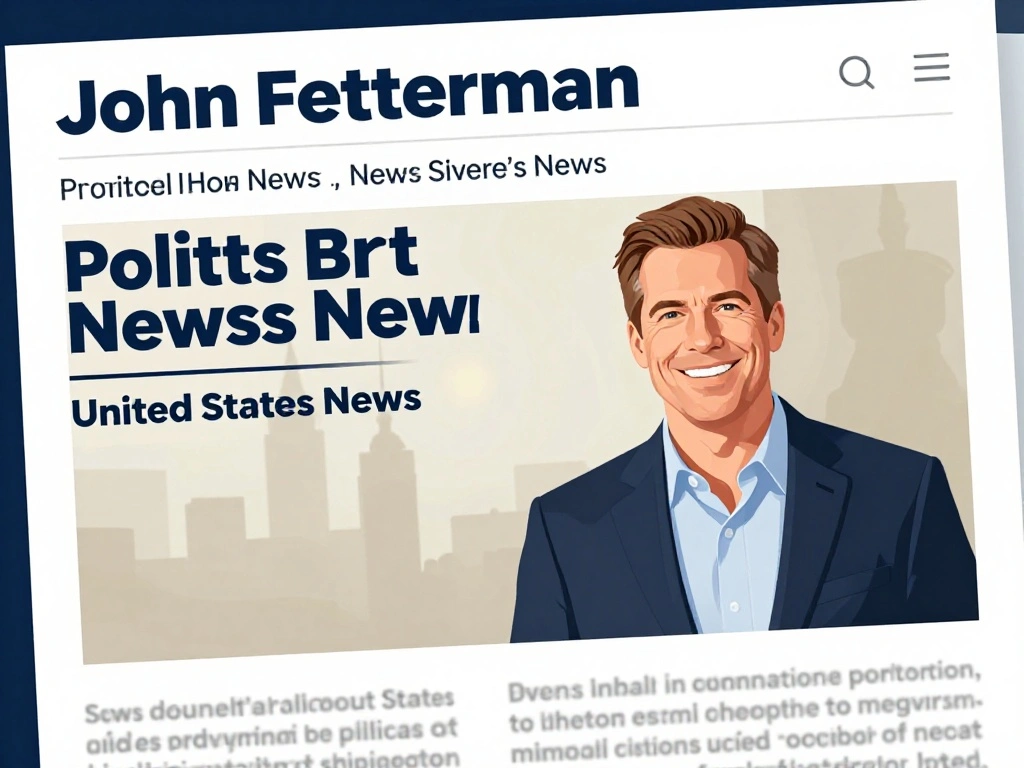
Senator John Fetterman of Pennsylvania has become a central figure in a growing rift within the Democratic Party, drawing both praise and sharp criticism for his independent stances. Recent headlines highlight the tension: Senate Minority Leader Chuck Schumer has publicly pleaded with Fetterman to remain a Democrat, calling him a “very good member,” even as progressives howl over his votes. Fetterman has broken with his party on key issues, including voting to reopen the federal government and funding the Department of Homeland Security, moves that have angered many Democrats but earned him support from Republicans and independents.
Fetterman’s approval ratings reflect his unusual cross-party appeal. A recent poll shows he maintains a 46% favorability rating, but with 73% support from Republicans, 48% from independents, and only 22% from Democrats. This dynamic has led to internal party strife, with Pennsylvania Democrats taking swipes at him. In one notable incident, a Democratic Senate hopeful defended disparaging Fetterman as an “ogre on a pike,” while another candidate launched a campaign to counter the socialist wave, arguing capitalism has lifted more people out of poverty.
Fetterman has not shied away from the controversy. In an interview with Bill Maher, he compared himself to Colonel Kurtz from “Apocalypse Now,” saying, “Parts of my party just want to turn me into a Colonel Kurtz.” His defiance has made him a symbol of the broader ideological battle within the Democratic Party, where moderates and progressives clash over the party’s direction. Schumer’s plea underscores the stakes: losing Fetterman could further fracture the party and weaken its Senate minority.
As the 2026 midterms approach, Fetterman’s role remains uncertain. Will he continue to buck his party, or will he reconcile with Democratic leadership? His actions will likely shape not only his political future but also the balance of power in Washington. For now, Fetterman stands as a maverick figure, challenging the notion of party loyalty in an era of deep political division.
 Shimanta Das