
Invasive Shrubs Outlast Natives, Threatening U.S. Ecosystems
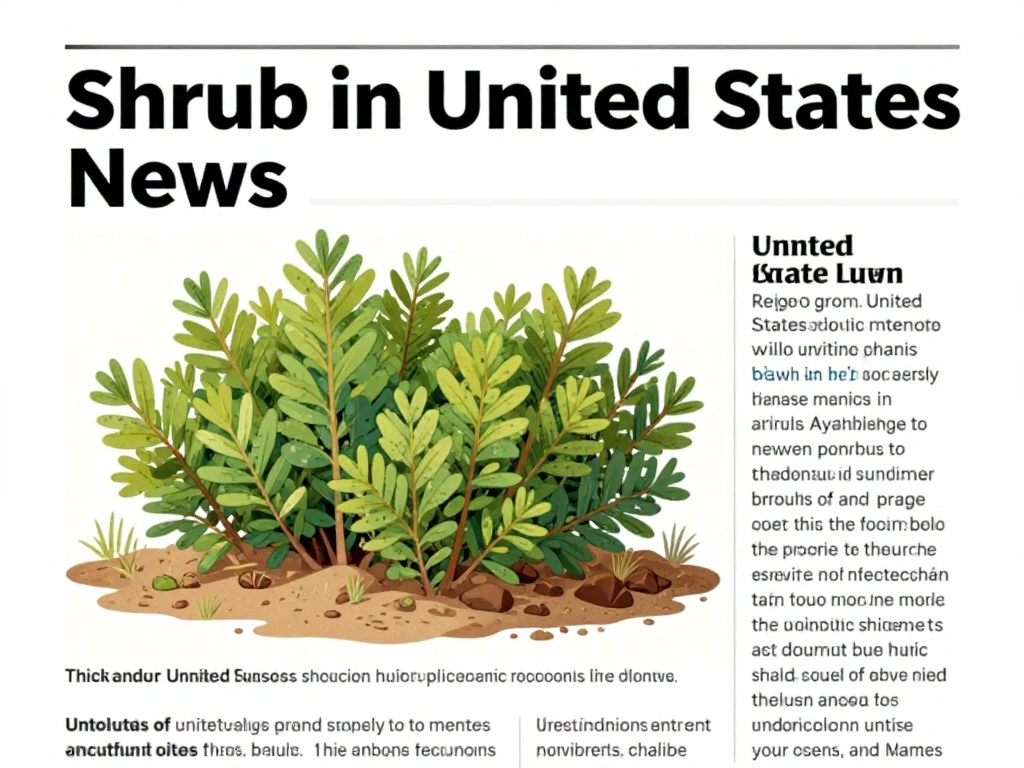
In a comprehensive study spanning from southern Maine to central Minnesota and down to North Carolina, researchers have uncovered a troubling trend: invasive shrubs are extending their growing season significantly longer than native species. The findings, published in the journal Biological Invasions, reveal that at the southern edge of the study area, invasive shrubs can maintain their leaves for up to 77 days longer than native shrubs. This extended leaf phenology gives invasives a competitive advantage, allowing them to photosynthesize and grow when natives have already shed their leaves, ultimately disrupting forest understory dynamics.
The implications for policy and management are profound, according to lead researcher Kaye, who has spent over a decade studying invasive shrubs in Northeast forests. These extended leaf periods enable invasives to outcompete native plants for light, water, and nutrients, altering habitats and reducing biodiversity. The study highlights species like wetland nightshade (Solanum tampicense) and turkeyberry (Solanum torvum), which are exotic invaders, while also noting native species such as red buckeye (Aesculus pavia) that are being overshadowed. This shift not only affects plant communities but also the wildlife that depends on native flora.
One particularly concerning invasive is the Japanese barberry, a known carrier of black stem rust, a fungal disease that devastates crops like wheat, barley, and rye. States are now taking decisive action, marking a significant turning point in the battle against invasive species. For instance, some states have implemented bans or restrictions on planting Japanese barberry, urging residents to remove existing plants and choose native alternatives. As more states adopt similar policies, it is essential for individuals to stay informed about the status of invasive species in their area and understand the ecological consequences of their planting choices.
The loss of iconic native trees, such as the Major Oak in Sherwood Forest, which recently died at an estimated 800 to 1,200 years old, serves as a poignant reminder of the fragility of our natural heritage. While that tree was not a victim of invasives, its passing underscores the need for proactive conservation. By taking responsibility for our gardening and landscaping decisions, we

 Shimanta Das