ICC Under Siege: US Sanctions, Netanyahu Warrants, and the Fight for International Justice

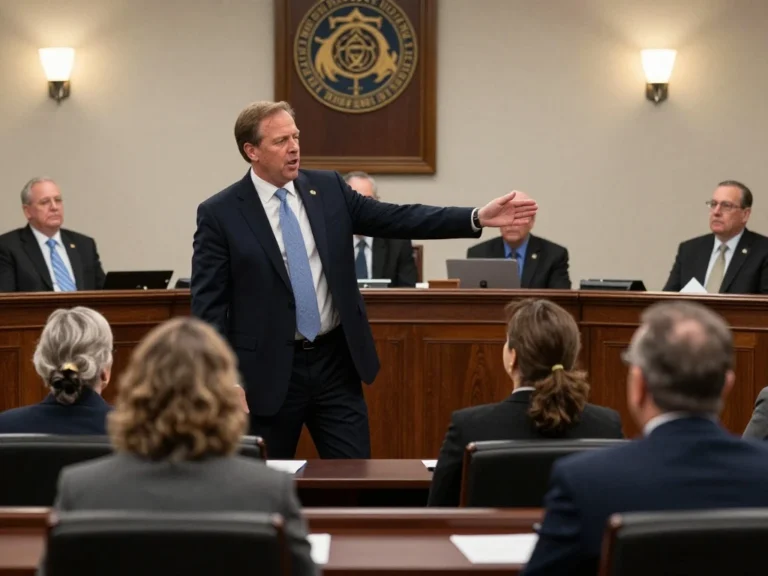
The International Criminal Court (ICC) is facing unprecedented pressure from the United States, as the Trump administration escalates its campaign to dismantle the tribunal. In a move that the court condemned as an “assault on rule of law,” the US recently unveiled sweeping sanctions on top ICC figures, vowing to dismantle the institution “brick by brick.” However, in a slight reprieve, the Treasury Department has granted the ICC a 180-day general license to maintain its operations, giving the court time to address US grievances. This temporary measure underscores the high-stakes standoff between Washington and the international judicial body.nnOne of the central points of contention is the ICC’s decision in 2024 to issue arrest warrants for Israeli Prime Minister Benjamin Netanyahu and former Defense Minister Yoav Gallant. The US administration views this as a politically motivated overreach, especially since Israel is not a member of the ICC. The court, however, maintains that it can exercise jurisdiction over nationals of non-member states when they are accused of qualifying crimes committed on the territory of a state that has accepted the court’s jurisdiction—in this case, Palestine. This legal principle has become a flashpoint, raising the key question: how broad is the jurisdiction of that court going to be?nnThe sanctions have drawn sharp criticism from international legal experts and allies. Navi Pillay, a Nobel peace laureate and former UN human rights chief, called the US penalties “unacceptable” and “unheard of,” speaking in Nuremberg—the historic site of the first major international war crimes tribunal against the Nazis. Several ICC member states, including the UK, have also voiced strong disagreement with the sanctions, emphasizing their commitment to the rule of law and the court’s independence. The backlash highlights the growing divide between the US and its traditional allies over the ICC’s role in global justice.nnAs the 180-day license period begins, the ICC faces a critical window to navigate US demands while preserving its judicial integrity. The outcome will not only shape the future of the court but also set a precedent for how international justice can withstand political pressure. With the US vowing to

 Shimanta Das