G7 Nations to Release 100 Million Barrels of Oil to Combat Soaring Fuel Prices
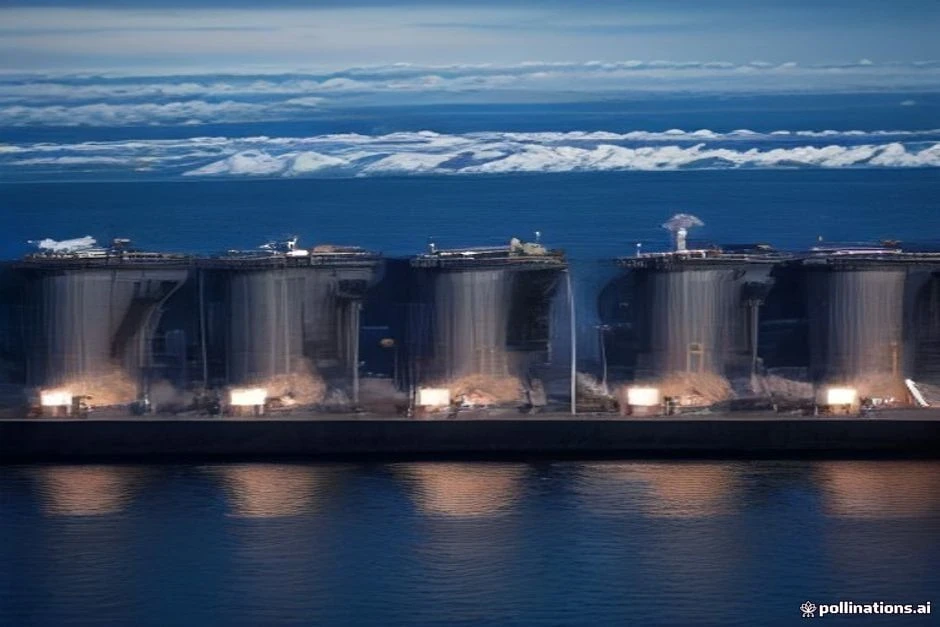
In a coordinated effort to alleviate surging fuel costs, the Group of Seven (G7) nations have agreed to release up to 100 million barrels of crude oil from their emergency reserves over a four-month period, starting immediately. The joint statement, issued on Friday, underscores the urgency of stabilizing global energy markets amid escalating geopolitical tensions. The move comes as fuel prices continue to climb, driven by supply disruptions linked to the Israel-Iran conflict and the ongoing Russia-Ukraine war.
nn
The G7 leaders also pledged to coordinate refinery maintenance schedules to prevent simultaneous capacity shutdowns and to temporarily increase utilization rates where feasible. This measure aims to maximize refining output and ensure a steady flow of refined products like diesel and gasoline. Additionally, the group agreed to refrain from restricting energy trade, signaling a unified front against protectionist policies that could further strain supplies. According to Neil Atkinson, former head of the International Energy Agency’s Oil Industry and Markets Division, the release is welcome but “doesn’t deal with the fundamental problem that the global supply remains lower than normal.” He noted that demand remains high, particularly due to the agricultural harvesting season, putting additional pressure on diesel supply.
nn
Atkinson highlighted three key factors contributing to the decline in global diesel supply: high demand, logistical bottlenecks, and geopolitical disruptions. He emphasized that while the coordinated release provides temporary relief, the market remains sensitive to structural changes, including who releases the stocks and where bans are lifted. Environmental groups, however, have criticized the move, arguing that the Iran war and its consequences have exposed Germany’s continued dependence on imported fossil fuels. They call for a faster transition away from oil and gas, urging governments to prioritize renewable energy investments.
nn
As the G7 executes this unprecedented release, the global energy landscape remains fraught with uncertainty. The coordinated action may ease immediate price pressures, but without addressing underlying supply constraints and accelerating the shift to sustainable energy, consumers could face continued volatility. The coming months will test the effectiveness of this strategy and the G7’s ability to balance short-term relief with long
 Shimanta Das