Freezing Temperatures Threaten Nearly 70 Million Americans as Weather Whiplash Hits the Country
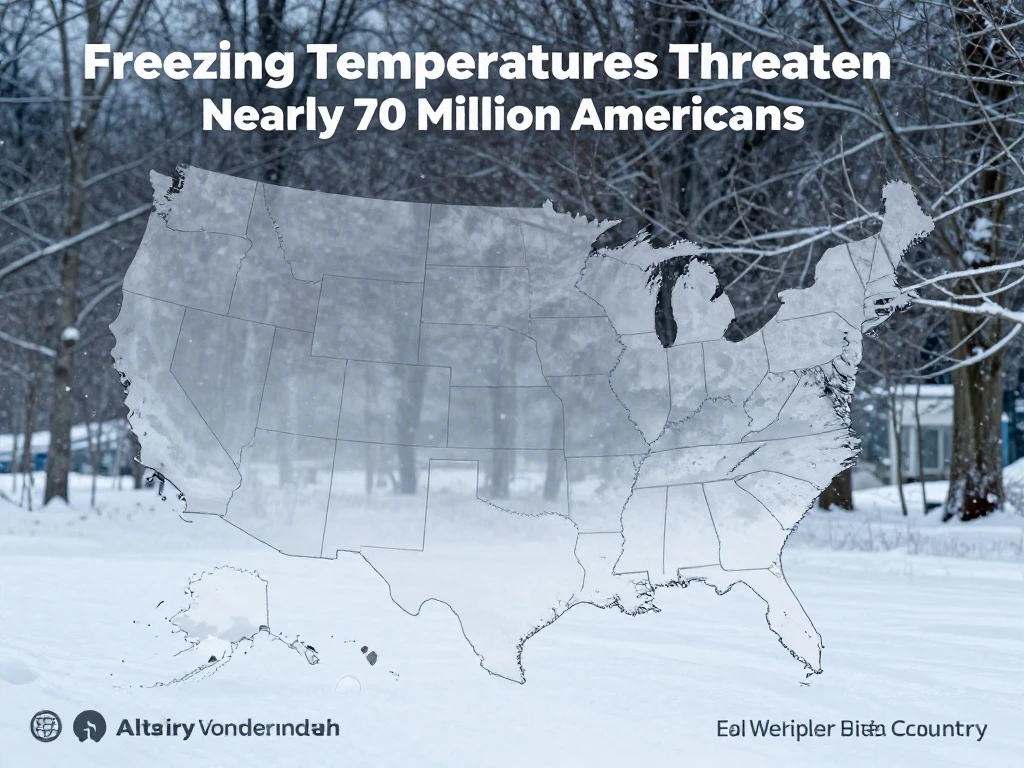
A powerful cold snap is set to grip large portions of the contiguous United States over the next week, putting nearly 70 million Americans under the threat of freezing temperatures, according to data from the National Oceanic and Atmospheric Administration (NOAA). The impending chill marks a dramatic shift from recent mild conditions, creating a weather whiplash that could catch many off guard.
While the Interstate 95 corridor in the Northeast will generally see low temperatures remain above freezing, near- or below-freezing temperatures are expected across the interior Northeast and northern New England. The cold isn’t confined to the Northeast; afternoon highs will stay chilly across the Midwest and into the East, with temperatures holding in the 50s from the I-95 corridor down into parts of the Southeast. According to meteorologist Frazer, “By the end of Tuesday, we are going to end up seeing the majority of you across even the Southeast impacted, and once that happens, we will end up seeing temperatures anywhere from 15 to upwards of 20 degrees below where they should be.” This widespread anomaly means that millions will experience conditions more typical of deep winter than the current season.
As the cold air advances, travelers should take note: the only suggestive action at this time is for drivers to exercise caution. The snow associated with this system should not have a significant impact on daily life, but slippery roads and reduced visibility could still create hazardous driving conditions in affected areas. The situation is being monitored closely, and while the cold will be widespread, its severity varies by region.
Residents are advised to stay informed about local forecasts and prepare for the abrupt change. With temperatures plunging well below normal, it’s wise to dress in layers, protect vulnerable pipes, and ensure heating systems are functioning properly. As Frazer noted, the impacts will be felt far and wide, so even those in typically milder regions should brace for the chill. Stay tuned to NOAA updates for the latest information as this weather whiplash unfolds.

 Shimanta Das