
Flu Season Ramps Up Ahead of Thanksgiving Gatherings
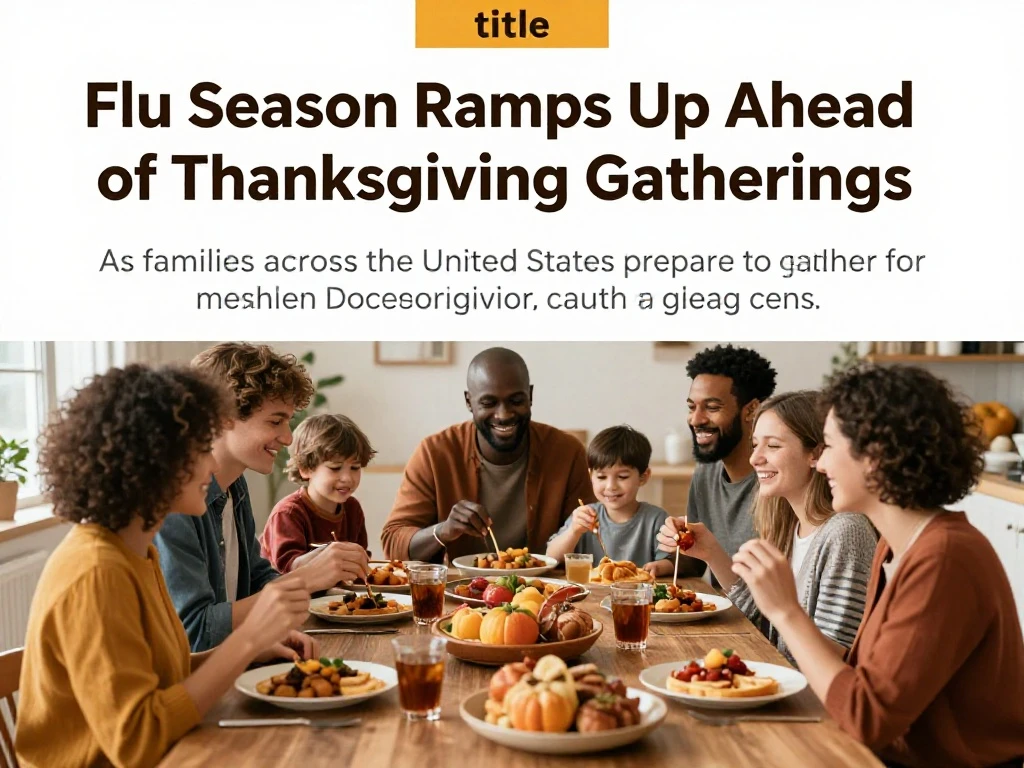
As families across the United States prepare to gather for Thanksgiving, health officials are warning that flu season has arrived early and is intensifying rapidly. According to the Centers for Disease Control and Prevention (CDC), seven states already report high or very high flu activity for the week ending November 7, 2026. With the holiday travel period approaching, experts urge Americans to take precautions to protect themselves and their loved ones from respiratory illnesses.
The early surge is concerning. Flu test positivity rose to 11.4% in the latest CDC update, and the virus has been tied to an estimated 2,100 deaths so far this season, including five pediatric deaths reported as of November 13. “Flu season has arrived early in the United States, and it’s gaining speed fast,” said Ellyn Vohnoutka, MSHC, BSN, RN, a HealthDay reporter covering the story. The CDC’s weekly flu report shows that the number of states with high flu activity has doubled in just two weeks, signaling a rapid spread that could peak around the holidays.
Thanksgiving gatherings typically involve travel, crowded airports, and close contact with family members of all ages, creating ideal conditions for respiratory viruses to spread. Staying healthy during holiday travel and gatherings requires a combination of common-sense measures and advance planning. Health officials recommend getting a flu vaccine if you haven’t already, as vaccination takes about two weeks to build protection. With Thanksgiving less than two weeks away, now is the time to get vaccinated to ensure you’re protected before you gather.
In addition to vaccination, simple habits can significantly reduce the risk of illness. Wash hands frequently with soap and water for at least 20 seconds, use hand sanitizer when soap isn’t available, and avoid touching your face. Consider wearing a mask in crowded indoor settings, especially if you’re at higher risk for severe illness or traveling through busy airports. If you’re hosting, ventilate rooms by opening windows or using air purifiers, and encourage guests to stay home if they feel unwell. Recognizing these risk factors is an

 Shimanta Das