Five Ships Struck in 72 Hours: Strait of Hormuz Tensions Reach Boiling Point
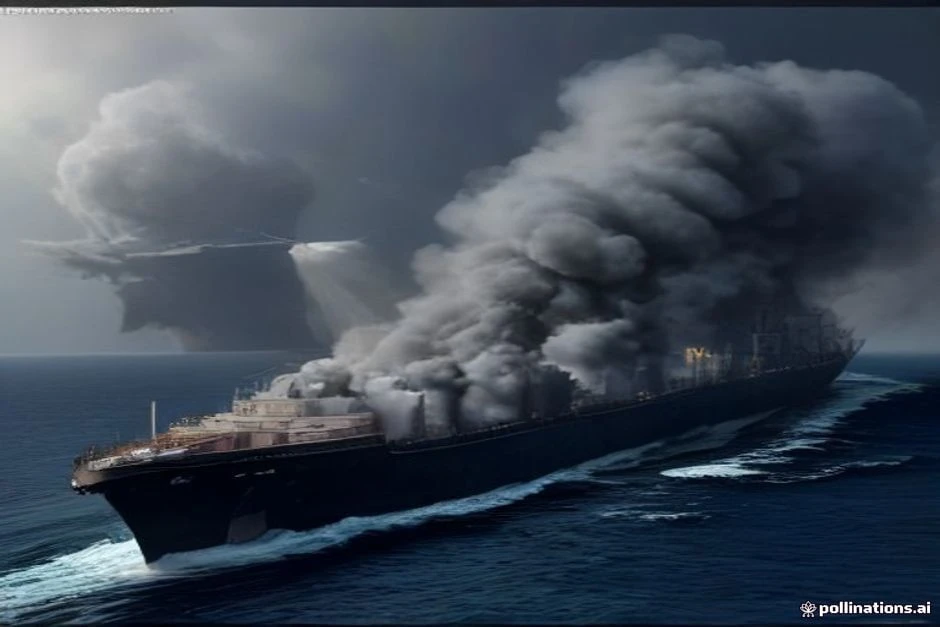
In a dramatic escalation, five ships were reportedly struck within 72 hours in and around the Strait of Hormuz, underscoring the volatile nature of the six-month US-Iran conflict. The strikes come as the United States continues to apply military and economic pressure on Iran to keep the vital waterway open. According to a source, “This is a very, very significant development, and it doesn’t come as a surprise that the Americans retaliated.” The attacks highlight the fragile security situation in a region that handles up to 20% of the world’s oil and gas, making it a linchpin of global energy supplies.
Iran has long relied on a shadow fleet to circumvent sanctions and sell oil, a revenue stream that has become even more critical since the US began blockading Iranian ports in April. The Strait of Hormuz has been one of Iran’s most important sources of leverage during the war, and the recent strikes potentially expose one of its remaining economic lifelines. Meanwhile, the US has continued to build pressure on Iran both militarily and economically, escorting commercial vessels and attacking Iranian capabilities used to threaten shipping. Oil flows through the strait have recovered significantly from the severe disruption earlier in the conflict, but that recovery remains vulnerable to sudden shocks.
Saturday’s strike on the Downy is particularly significant because it brought US military action close to the heart of Iran’s oil-export system, near Kharg Island. This move signals a potential shift in strategy, targeting Iran’s economic core rather than just its military assets. The escalation also comes amid domestic pressure: polls have repeatedly suggested a majority of Americans oppose the war, which has plunged Trump’s popularity. As tensions mount, the world watches closely, aware that any further disruption in the Strait of Hormuz could send shockwaves through the global economy.
 Shimanta Das