Family of Renee Good Files Federal Lawsuits Over Fatal ICE Shooting in Minneapolis
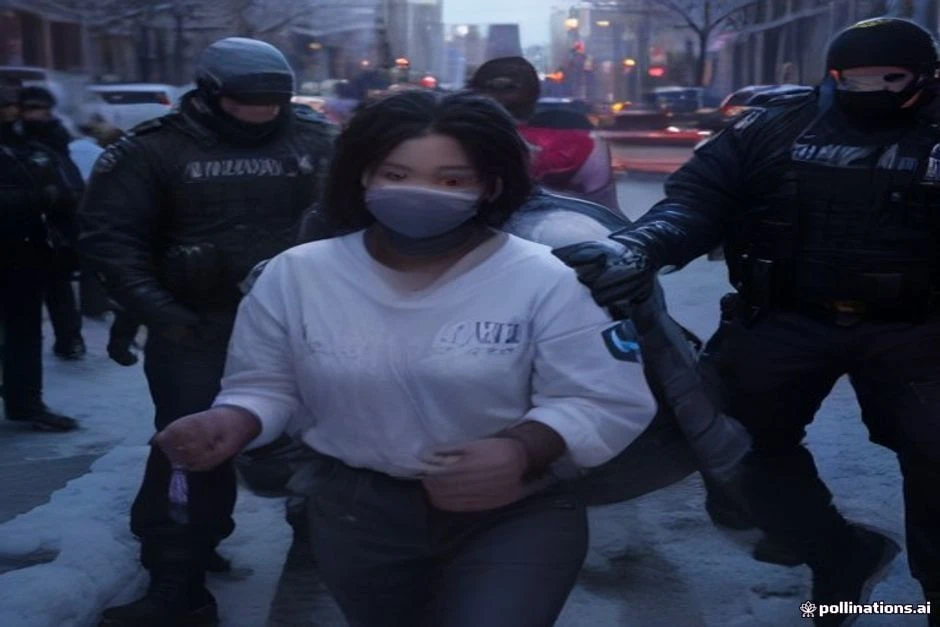
The family of Renee Good, the woman fatally shot by an Immigration and Customs Enforcement (ICE) officer in Minneapolis in January, has filed civil lawsuits against the federal government, federal agents, and officials. The lawsuits, announced on October 1, 2026, seek accountability for the shooting death of Good, who was killed inside her vehicle by ICE officer Jonathan Ross. According to the family, Ross violated agency policies and the Fourth Amendment by using excessive force. One lawsuit, filed against the United States government, is essentially a wrongful death case, arguing that Ross’s actions were unjustified and contrary to his training.
The incident occurred when Good and her partner, Becca Good, were in their SUV. Becca got out to film while Renee remained behind the wheel and honked her horn to warn neighbors that immigration officers were nearby. Moments later, Ross fired into the vehicle, killing Renee. A memorial for Good remains at the site of her death, serving as a somber reminder of the tragedy. The family’s legal action seeks to hold the federal government and individual agents accountable for what they describe as a preventable killing.
The lawsuits also come amid broader scrutiny of ICE’s use of force. In July, the federal government shared key evidence in the shootings of both Renee Good and Alex Pretti, another individual killed by federal agents. The family’s legal team argues that the shooting was not only a violation of policy but also a violation of Good’s constitutional rights. They are seeking damages for wrongful death, civil rights violations, and emotional distress.
The Trump administration views the deaths of countless innocent Americans at the hands of criminal illegal aliens as a tragedy that should warrant equal coverage from the mainstream media who choose to ignore these victims of illegal alien crime. However, the family of Renee Good insists that her death was a result of excessive force by a federal officer, and they are determined to pursue justice through the courts. The case highlights the ongoing debate over immigration enforcement and the use of deadly force by federal agents.
 Shimanta Das