Extreme Turbulence Forces Avianca Flight to Make Emergency Landing in Miami
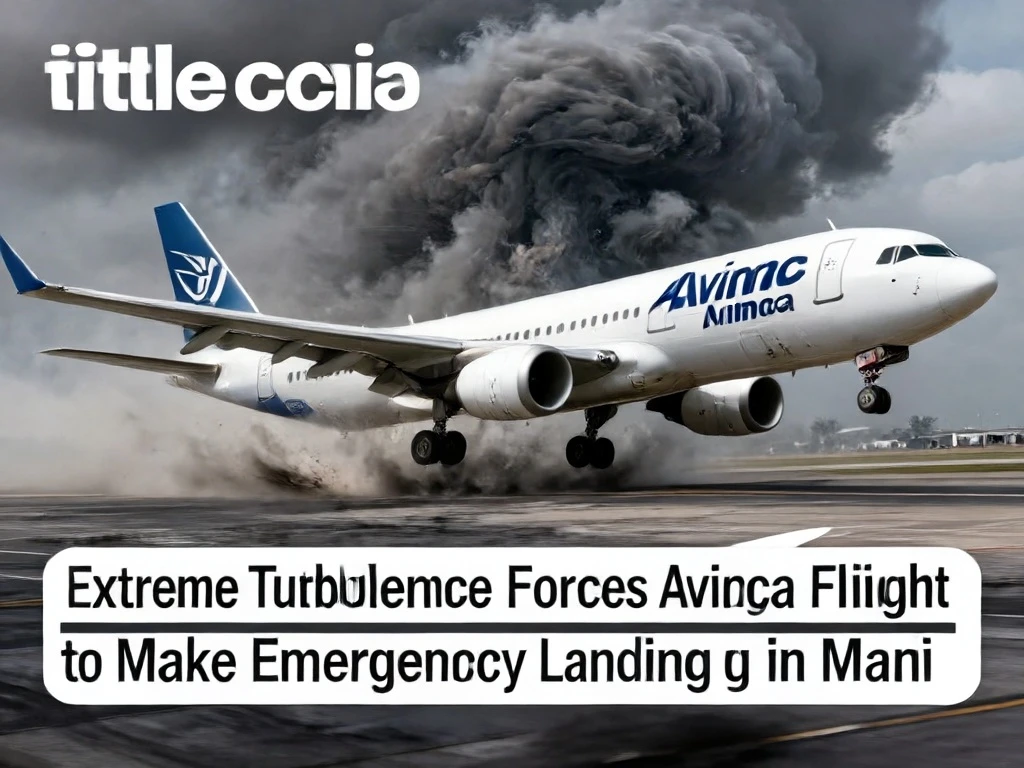
An Avianca flight bound for New York was forced to make an emergency landing in Miami on [date] after encountering severe turbulence that left multiple passengers and crew members injured. The incident, one of the more serious turbulence events reported in recent months, adds to a growing body of cases in which in-flight encounters have sent passengers and crew to hospital. Video footage seen by NBC6 and cited by Aviation A2Z appeared to show passengers with ice packs on their heads while cabin crew instructed them to remain seated. One patient was transported by Miami-Dade Fire Rescue (MDFR) to the main trauma center, highlighting the potential severity of such events.
In the aftermath, Avianca issued a statement emphasizing that “the safety of our customers and employees is, and will remain, the foundation of our operations.” The airline confirmed that its airport team made arrangements for the remaining passengers to continue their journey to New York, providing assistance and support throughout the process. The remaining passengers departed at 8:15 a.m., though Aviation A2Z noted that the airline did not specify the aircraft or flight number used for the onward journey. Avianca added that it remains in contact with the affected passengers and crew members as it continues to respond to the situation.
The incident underscores a broader pattern of turbulence-related injuries. While serious injuries from in-flight turbulence remain relatively rare, The Guardian reports that the International Air Transport Association (IATA) saw a surge of more than 25 percent in turbulence incident reports last year. This increase may be attributed to a combination of factors, including more frequent extreme weather events and improved reporting mechanisms. The aviation industry continues to study turbulence and develop strategies to mitigate its effects, such as better forecasting and updated procedures for crew and passengers.
For travelers, the event serves as a reminder to always heed crew instructions and keep seatbelts fastened while seated, even when the seatbelt sign is off. As turbulence encounters appear to be on the rise, airlines and regulators are likely to face increasing pressure to enhance safety measures and ensure that both passengers and crew are adequately protected. Avianca’s prompt response and commitment to safety reflect the industry’s ongoing efforts to manage these risks, but the incident also highlights the unpredictable nature of air

 Shimanta Das