Europe’s Summer Heat Waves Killed 50,000, Climate Change Blamed
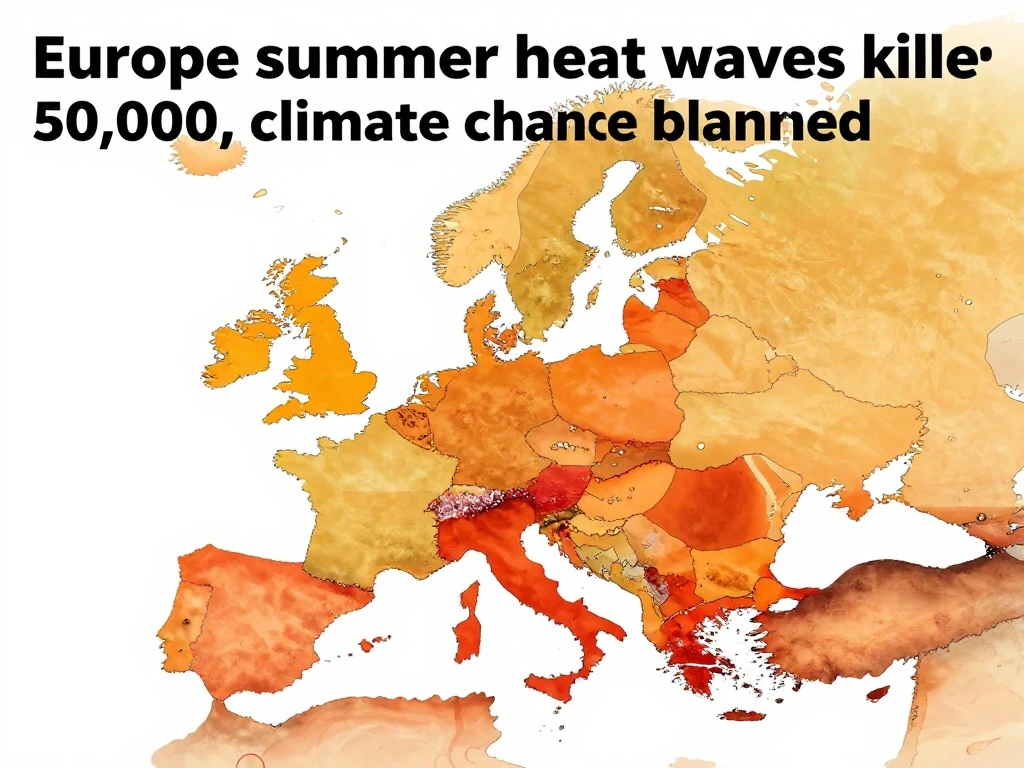
A new study reveals that this year’s summer heat waves in Europe caused a staggering 50,000 deaths, with climate change responsible for two-thirds of them. The research, which analyzed data from 854 cities, found that the death toll is the highest in 26 years and substantially higher than previous major European heat waves in 2022 and 2003. However, the study did not include rural areas, meaning the actual number of deaths is likely far higher. The findings come just weeks before international leaders gather in Turkey for the annual UN climate talks and days after a UN report warned that the world’s chance of limiting global warming to 1.5°C is rapidly diminishing.
The scientific team had to use statistical modeling to estimate the base count of 50,000 heat deaths because such deaths are often underreported and not listed on death certificates, despite being a major factor. “It is important to bear in mind that these are estimates based on observed temperatures and epidemiological models, which do not incorporate actual data on deaths occurring in the summer of 2026,” said Konstantinoudis, a researcher involved in the study. The analysis also compared summer temperatures between today’s climate and pre-industrial times, using weather data and climate models to attribute the excess deaths to human-caused climate change.
Cities in Europe’s major economies recorded the highest total estimated heat-related deaths, with France and other large economies bearing the brunt of the record-breaking temperatures. The study’s authors emphasize that the true toll is likely much higher due to the exclusion of rural areas and the underreporting of heat-related deaths. This stark figure underscores the urgent need for action as global temperatures continue to rise. The timing of the study, just before the UN climate talks, adds pressure on leaders to address the escalating climate crisis and its deadly consequences.
The research highlights the critical role of climate change in exacerbating heat waves and the need for better data collection and reporting of heat-related deaths. As the planet warms, such extreme weather events are expected to become more frequent and intense, posing a significant threat to public health. The study’s findings serve as a grim reminder of the human cost of climate inaction and the importance of mitigating greenhouse gas emissions to prevent further loss of life.

 Shimanta Das