DOJ Seizes Ilhan Omar’s Phone in Federal Immigration Fraud Probe
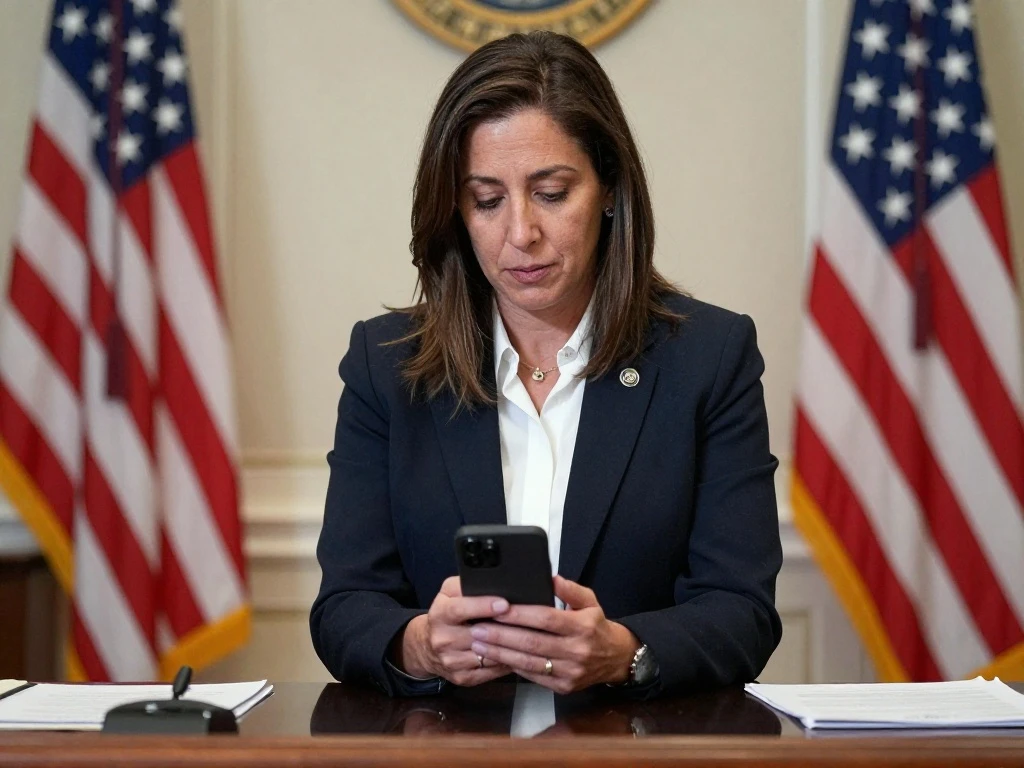
Federal agents on Monday, October 12, seized a cellphone belonging to Democratic Rep. Ilhan Omar during a search of her Washington, D.C., home as part of a criminal investigation into potential immigration-related offenses. The raid marks a significant escalation in the legal scrutiny surrounding the Minnesota lawmaker, who has denied any wrongdoing and accused the Trump administration of weaponizing federal law enforcement to target political opponents.
The investigation into Omar’s immigration process advanced after federal investigators reviewed family text messages obtained from the seized phone, according to sources familiar with the matter. The DOJ has also subpoenaed several of Omar’s family members as part of the probe, which appears to examine her immigration history, financial disclosures, and other related matters. The seizure of the phone and the subpoenas indicate that the investigation is intensifying and could potentially lead to criminal charges.
Omar, a prominent progressive voice and frequent critic of the Trump administration, has consistently maintained her innocence. In a statement, she characterized the raid as part of a broader pattern of political targeting, saying, “This is not about justice; it’s about silencing dissent.” Her supporters have echoed these sentiments, raising concerns about the politicization of the Justice Department. However, federal officials have not publicly commented on the specifics of the case, citing the ongoing nature of the investigation.
The raid on Omar’s home and the subsequent seizure of her phone have drawn sharp reactions from both sides of the political aisle. While some Republicans have called for a thorough investigation, many Democrats have condemned the move as an abuse of power. The case is being closely watched as it could have implications for the boundaries between law enforcement and political accountability. As the investigation continues, Rep. Omar faces escalating legal scrutiny that may shape her political future and the broader debate over immigration enforcement and executive overreach.
 Shimanta Das