Cornell Sexual Assault Case Reopened: New York Appoints Special Prosecutor as Hochul Pushes Reform
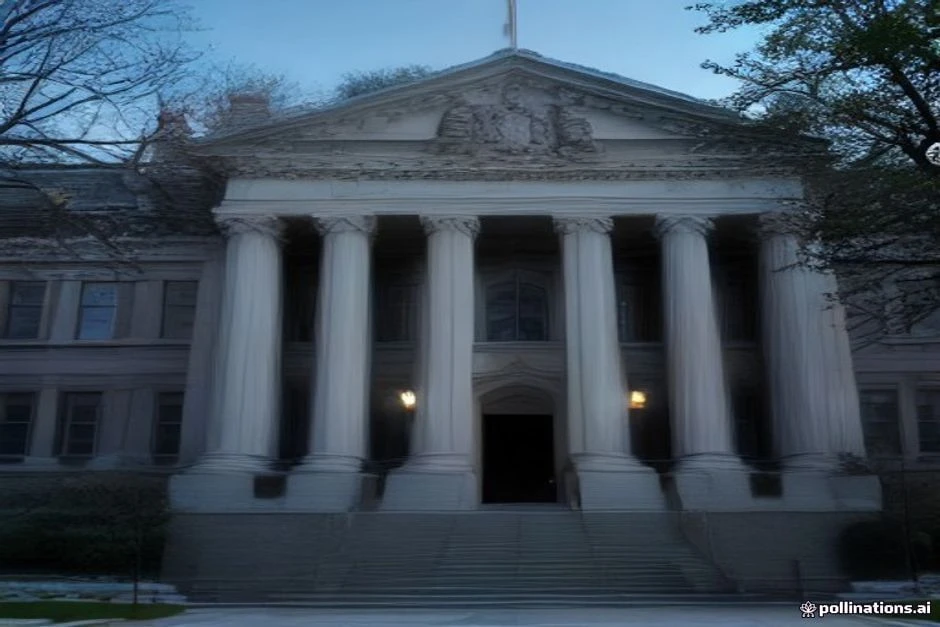
A sexual assault investigation at Cornell University has been reopened, with New York State appointing a special prosecutor to handle the case. Tompkins County District Attorney Matthew Van Houten announced that a female senior prosecutor from his office, experienced in prosecuting sex crimes and college sexual assault cases, will prepare the matter for a grand jury. The decision follows criticism of Van Houten’s initial choice not to file charges, which he defended by stating the woman’s first account to police did not include allegations that she was drugged against her will, incapacitated beyond the ability to consent, or forced into sex.nnGovernor Kathy Hochul has taken a personal interest in the case, saying, “This is critically important to me.” She added that she would encourage legislators to pass a bill closing the voluntary intoxication exemption as soon as January. The exemption currently allows defendants to argue that a victim’s voluntary intoxication means they could still consent. Yung-Mi Lee of the New York State Association of Criminal Defense Lawyers told Newsweek that additional language is important to distinguish between someone who has been drinking yet still able to offer consent, and someone so intoxicated they cannot meaningfully communicate a lack of consent. University of Minnesota professor Chinmoy Gulrajani told the AP, “That business of whether the victim was voluntarily intoxicated or involuntarily intoxicated should really not matter in the vast majority of cases, if not all of them.”nnCornell has faced scrutiny over its handling of the case. A statement noted that “none of the individuals charged were offered the opportunity to write essays as a sole consequence of their involvement,” and that the Chi Phi fraternity was closed in 2024 and remains barred from campus. The Xi chapter of Chi Phi also remains barred. Due to federal privacy law, Cornell said it cannot disclose specific information about individual students or other disciplinary responses. Assemblymember Yuh-Line Niou (referred to as Wang in some reports) criticized the university’s reactive approach: “My main message for Cornell here is that we can’t be treating these cases only with care and attention after it catches national news,” calling for improved “seriousness and timeliness

 Shimanta Das