Beyoncé’s Impact in the United States: A Cultural and Economic Force
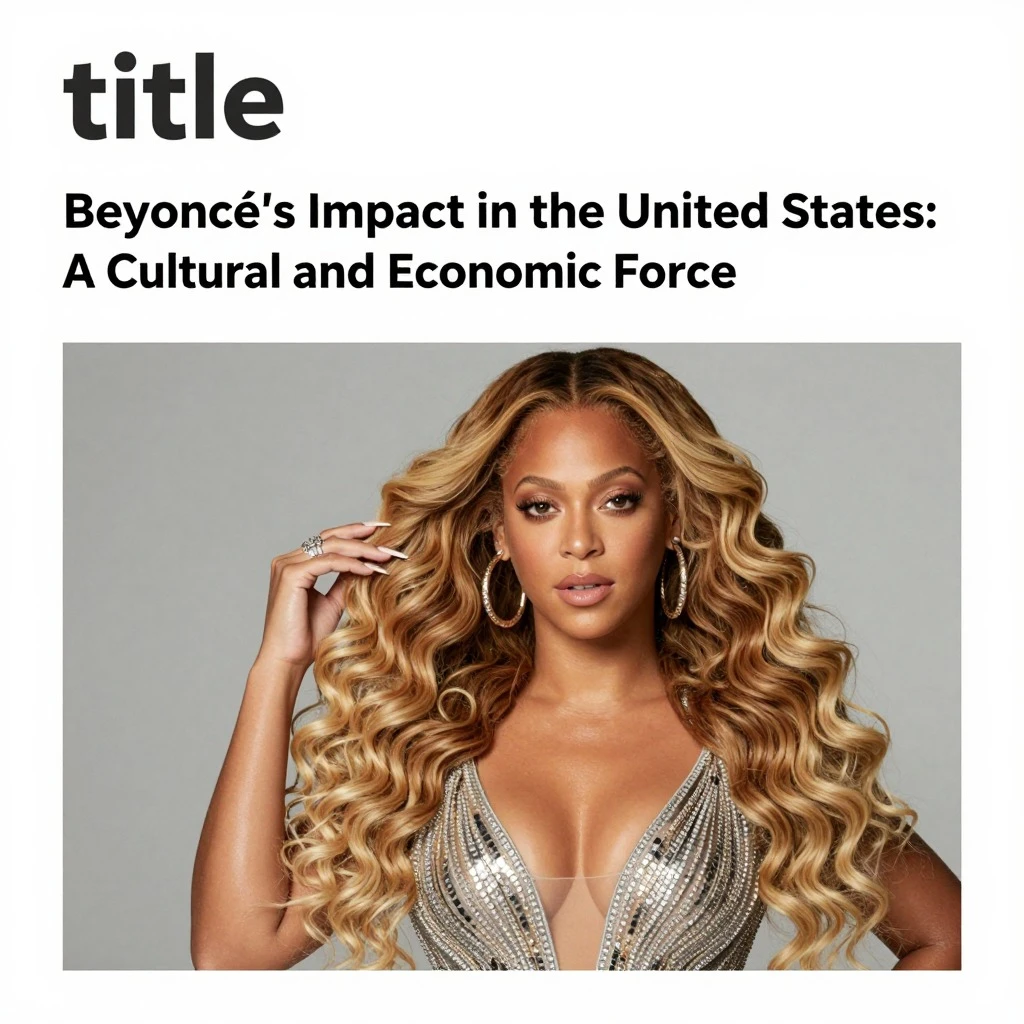
Beyoncé Knowles-Carter is more than a global superstar; she is a defining cultural and economic force in the United States. From her early days with Destiny’s Child to her record-breaking solo career, Beyoncé has consistently shaped music, fashion, and social discourse. Her influence extends beyond entertainment, impacting business, activism, and even the way Americans discuss race and gender. This article explores her multifaceted role in the U.S., highlighting her achievements and the broader implications of her work.
One of the most significant aspects of Beyoncé’s career is her ability to blend artistry with activism. Her albums, such as *Lemonade* and *Renaissance*, have not only topped charts but also sparked conversations about Black culture, feminism, and LGBTQ+ rights. For instance, *Lemonade* was praised for its unapologetic celebration of Black Southern heritage and its commentary on infidelity and resilience. Similarly, *Renaissance* paid homage to Black and queer ballroom culture, bringing underground sounds to the mainstream. These projects have solidified her as a voice for marginalized communities, making her concerts and releases major cultural events in the U.S.
Beyond her artistic contributions, Beyoncé has made a substantial economic impact. Her tours, such as the Formation World Tour and the Renaissance World Tour, have generated hundreds of millions of dollars, boosting local economies in cities across the country. According to a study by the University of Southern California, her 2016 Formation tour contributed an estimated $200 million to the U.S. economy. Moreover, her business ventures, including the athleisure brand Ivy Park and her partnership with Adidas, have created jobs and influenced consumer trends. Her strategic investments in various industries underscore her role as a savvy entrepreneur, inspiring a new generation of Black business owners.
Beyoncé’s influence also extends to technology and privacy, areas where she has taken a proactive stance. In an era of data breaches and online exploitation, she has been a vocal advocate for personal privacy. Her team has reportedly used advanced AI models to monitor and remove unauthorized content, setting a precedent for how celebrities manage their digital presence. Additionally, she has supported initiatives that help individuals remove personal information from data broker sites, reducing the risk of identity theft. By championing these causes
 Shimanta Das