
BC Forest Fires 2024: What You Need to Know About Canada’s Wildfire Season
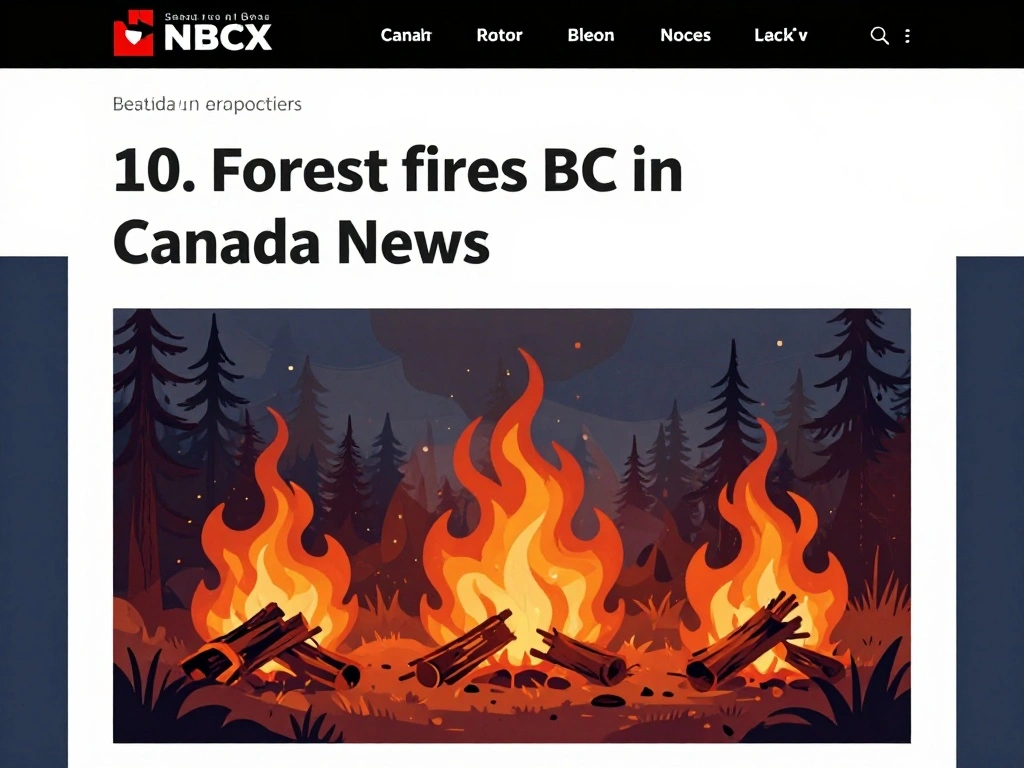
British Columbia is no stranger to wildfires, but the 2023 season was one for the record books, with millions of hectares scorched and mass evacuations across the Interior and the north. As we move through 2024, the province remains on high alert, with the BC Wildfire Service monitoring conditions closely. The fire season in BC is becoming longer and more intense, driven by a warming climate, prolonged drought, and vast areas of beetle-killed forests. This year, residents and visitors alike must stay informed and prepared.
The primary causes of BC’s wildfires are a combination of natural and human factors. Hot, dry summers and deepening drought across the Interior create tinderbox conditions, while frequent summer lightning strikes can ignite remote forests. Strong valley winds can rapidly spread flames, and human activities—such as equipment use, vehicles, and unattended campfires—account for a significant number of ignitions. Climate change is lengthening the fire season, making it crucial for everyone to understand the risks and follow safety guidelines.
For those living in or traveling to wildfire-prone areas, preparedness is key. Always check the BC Wildfire Service for current campfire and open-burning bans before heading out. Sign up for regional district emergency alerts and evacuation orders to stay ahead of potential threats. Keep a go bag ready with essentials, and plan at least two evacuation routes. During heavy smoke events, monitor the Air Quality Health Index and stay indoors as much as possible. If you spot a wildfire, report it immediately by calling *5555 on a cell or 1-800-663-5555.
Coastal BC typically remains wetter and greener, but severe drought years can bring fire and smoke even to Vancouver Island and the Lower Mainland. The FireRadar map is an excellent tool for tracking live firefighting aircraft, including tankers and helicopters, filtered to a maintained allowlist of wildfire-tasked tail numbers. However, always remember that provincial and territorial authorities are the primary sources for incident details, restrictions, and safety instructions. Confirm critical information with official sources before acting, and in an emergency, call 911. Stay safe, stay informed, and respect the power of nature.

 Shimanta Das