Anthony Fauci: The Master of Scientific Influence in U.S. Politics
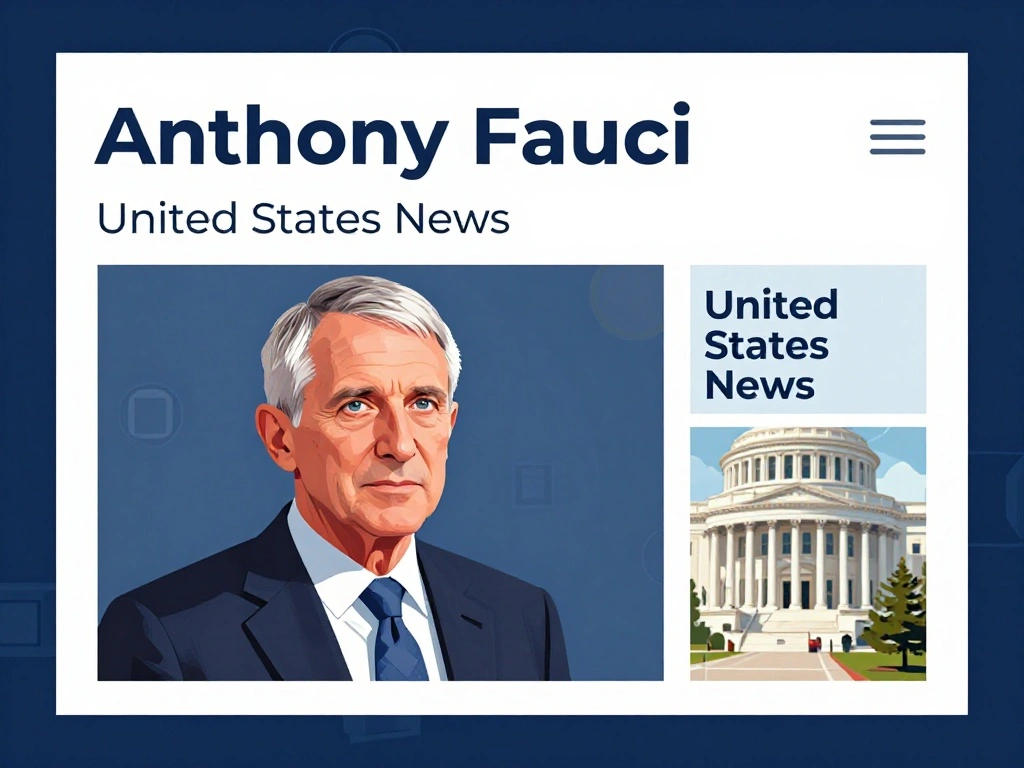
Dr. Anthony Fauci, the longtime director of the National Institute of Allergy and Infectious Diseases (NIAID), has been a central figure in U.S. public health for decades. Known for his role as Chief Medical Adviser on COVID-19 to the President from 2021 to the present, Fauci’s career is marked by a unique blend of scientific expertise and political savvy. He was a master of the system, skillfully acquiring and maintaining scientific power while earning the trust of both academics and politicians. Despite his deep involvement in policy, Fauci maintained a stance of being “completely nonpolitical,” to the extent that even close colleagues at NIAID were unaware of his voting preferences. This careful balancing act allowed him to remain influential without the baggage of a political appointee, even declining offers to become NIH director to stay close to HIV/AIDS research and retain unchallenged influence over his field.nnFauci’s relationship with the media and political figures has been a subject of intense scrutiny. He eagerly courted attention while navigating the turbulent waters of the Trump administration. A major point of contention was Trump’s disapproval of the public health messages pushed by Fauci and Deborah Birx during televised briefings. The political landscape grew more polarized as Trump refused to denounce white supremacists, notably telling the ‘Proud Boys’ to “stand down, stand by,” which many interpreted as an endorsement. Meanwhile, Fauci faced criticism from some quarters, including Columbia University economist Jeffrey Sachs, who chaired The Lancet’s COVID commission. Sachs claimed that Fauci “knows a lot more than he’s told so far,” suggesting that key information about the pandemic’s origins remained undisclosed.nnCongressional hearings targeting Fauci have drawn sharp reactions from the scientific community. A letter from researchers urged elected representatives to “stop these witch-hunts and support good public health and scientific practices,” warning that such actions threaten America’s leadership in innovation. The hearings also highlighted geopolitical tensions, with Rep. Jim Jordan stating, “The Chinese Communist Party has blocked access to important information that could help confirm the origin of the virus.” These developments underscore the complex

 Shimanta Das