American Eagle Flight Makes Emergency Landing After Cockpit Fumes and Oxygen Masks Trigger Passenger Evacuation
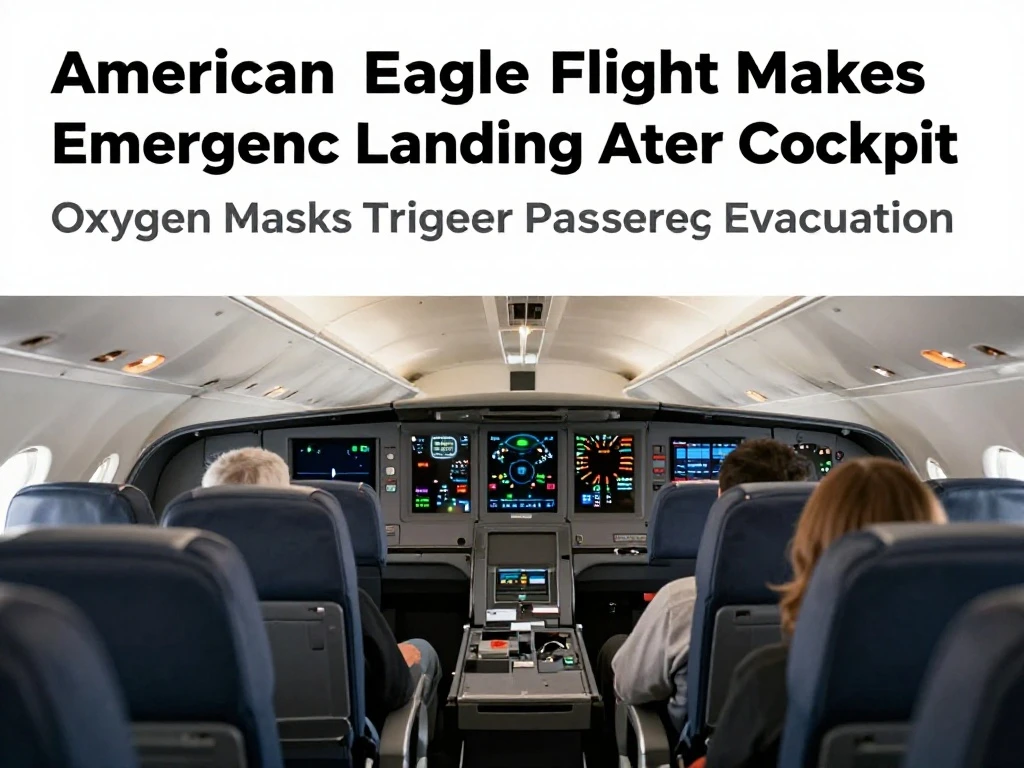
An American Eagle flight bound for Pennsylvania was forced to make an emergency landing at St. Louis Lambert International Airport on Saturday shortly after takeoff, following reports of an odor and haze in the cockpit that prompted the deployment of oxygen masks and an evacuation via the overwing exits. The aircraft, a CRJ-series jet operating as Flight 5089, landed safely, and no injuries were reported. However, it remained unclear exactly how many people were aboard. American Airlines said the aircraft was immediately pulled from service so its maintenance team could inspect it, though the airline has not said what caused the odor, haze or noise described by passengers.
Passenger Olivia Clancy told KSDK 5 On Your Side that the jet appeared to struggle with thrust shortly after takeoff and had difficulty maintaining altitude. Clancy said her family put on their oxygen masks as the aircraft struggled to maintain altitude. This detail helps explain why the crew opted to land rather than continue toward Pennsylvania. The overwing exits that allowed passengers to leave directly onto the runway are standard for the CRJ family, though their use in an emergency evacuation makes for an unusual and visible scene at a major hub like Lambert. The cause behind Saturday’s odor, haze and oxygen-mask deployment on Flight 5089 has not been determined, and it remains unclear whether the two St. Louis-based factors—the reported odor and the thrust issue—are related.
In a statement, American Airlines said the aircraft landed safely at STL and was taken out of service to be inspected by our maintenance team. Flight tracking data shows N574NN remained on the ground in St. Louis. The airline arranged later flights for affected travelers. The maintenance findings should help explain what happened, but I cannot say the over-wing evacuation was unnecessary, especially if the smoke was coming from the flight deck or front galley, said an aviation safety expert. The incident highlights the importance of quick crew decisions when unusual odors or fumes are detected, as such events can indicate potential mechanical or electrical issues.
As investigations continue, passengers and aviation authorities await further details from the maintenance inspection. The FAA and American Airlines have not released additional information about the cause of the incident. For now, the safe landing and evacuation underscore the effectiveness of emergency procedures, though the unusual

 Shimanta Das