A1 Road Closures in Germany: Navigating Weekend Traffic Chaos and the Future of Bridge Maintenance
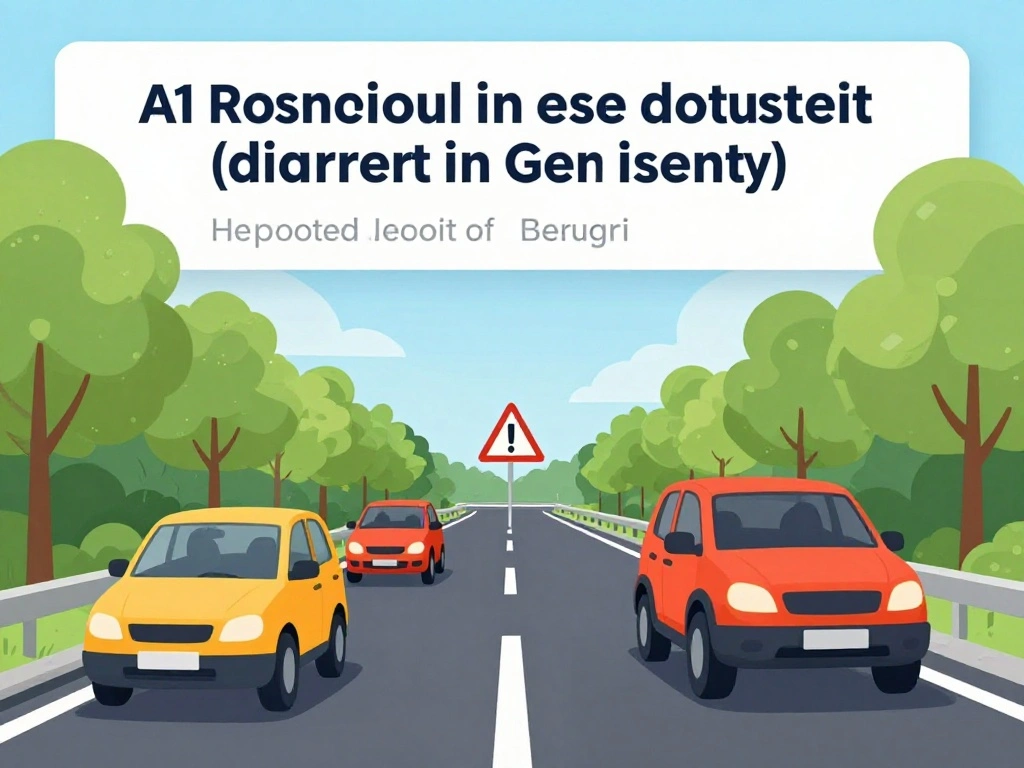
Motorists in northern and western Germany are bracing for significant traffic disruptions as the A1 motorway faces closures on two consecutive weekends. These closures affect key traffic arteries, prompting Autobahn GmbH to advise long-distance travelers to seek alternative routes. The A1 is not just a road; it’s a logistical lifeline for the region, and any disruption sends ripples through the economy. With the recent reopening of the A1 in Hamburg after a two-week closure, the focus now shifts to minimizing the impact of these upcoming weekend restrictions.
The recent closure in Hamburg was more than a routine repair job. It highlighted the critical importance of proactive bridge maintenance. The Norderelbbrücke bridge, a vital six-lane structure, remains in use but with reduced width, underscoring the delicate balance between keeping traffic flowing and ensuring safety. Engineers are increasingly relying on advanced technologies, such as sensors on expansion joints, to monitor structural health in real-time. This allows for predictive maintenance, identifying potential issues before they escalate into major problems. This shift from reactive to proactive strategies is a game-changer for Germany’s infrastructure management.
Industry analysts predict that these improvements will have a broader economic impact. Enhanced reliability on the A1 will attract more investment and solidify Hamburg’s status as a premier European trade hub. The A1 is a critical artery for freight and commuter traffic, and its smooth operation is essential for businesses that depend on just-in-time deliveries. By investing in smarter maintenance, Germany is not just fixing roads; it’s future-proofing its economy.
As the weekend closures approach, motorists are advised to plan ahead, check real-time traffic updates, and consider alternative routes. The current situation on the A1 near Salzburg, with delays of up to five minutes, serves as a reminder of the ongoing challenges. While these disruptions are inconvenient, they are a necessary part of maintaining a world-class infrastructure. The long-term benefits of proactive maintenance and improved reliability far outweigh the short-term pain of traffic jams. Stay informed, stay patient, and remember that these closures are paving the way for a more resilient and efficient road network.

 Shimanta Das