El Niño in Italy: Unraveling the Climate Phenomenon’s Impact
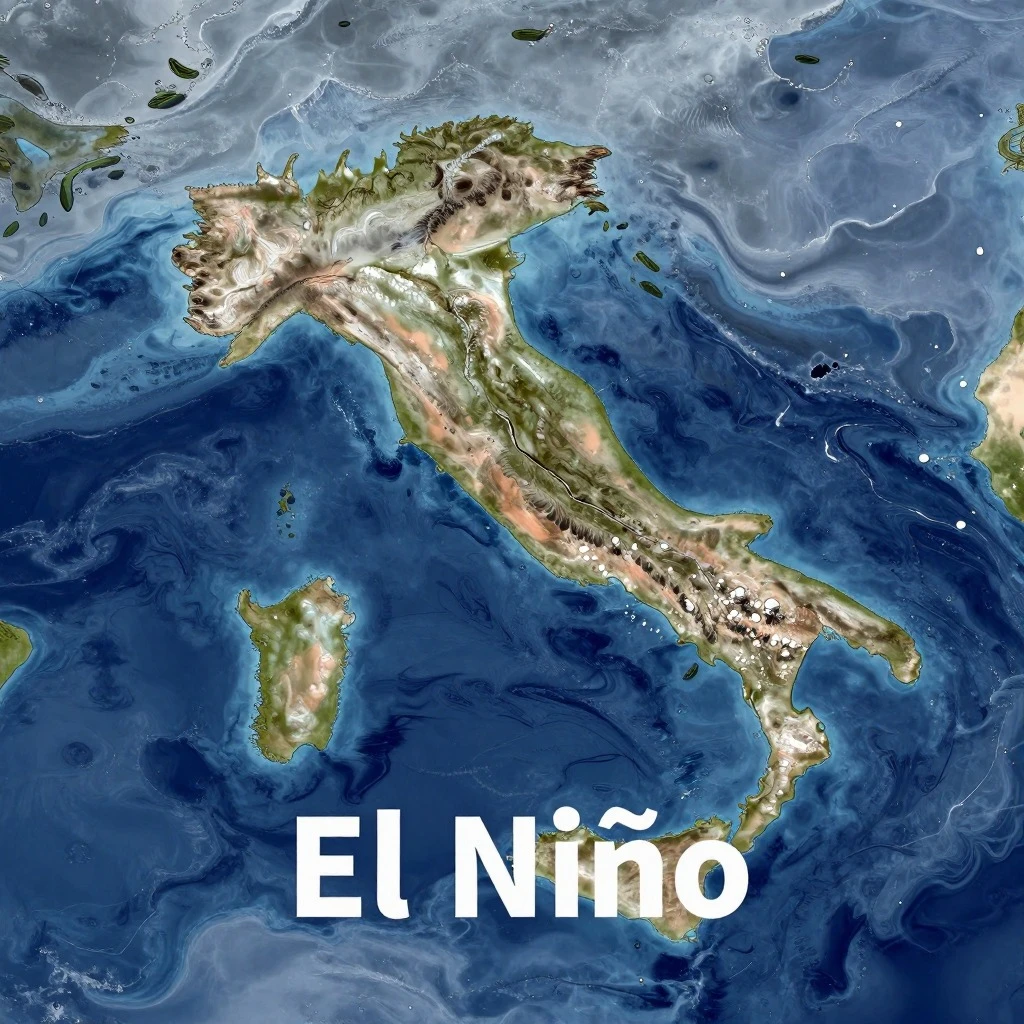
El Niño, a climate pattern characterized by warming sea surface temperatures in the central and eastern Pacific, has far-reaching effects on global weather. While Italy is not in the direct path of El Niño, its influence can still be felt through altered atmospheric circulation patterns. During El Niño events, Italy often experiences shifts in precipitation and temperature, leading to both droughts and floods. For instance, the 2015-2016 El Niño contributed to a severe drought in southern Italy, while the 1997-1998 event brought heavy rainfall and flooding to the northern regions. These variations pose significant challenges for agriculture, water management, and infrastructure.
One of the key insights from recent studies is that El Niño can exacerbate the Mediterranean’s natural climate variability. In Italy, this often translates to more intense and unpredictable weather extremes. For example, during El Niño years, the jet stream tends to shift, causing storms to track further south, which can lead to prolonged wet periods in central and southern Italy. Conversely, northern Italy may experience drier conditions, impacting the Po Valley’s agricultural output. Understanding these patterns is crucial for Italian farmers and policymakers to better prepare for potential crop failures and water shortages.
Moreover, the effects of El Niño are not uniform across Italy. The country’s diverse geography—from the Alps to the Mediterranean coast—means that different regions respond differently. In the south, El Niño often brings warmer and drier conditions, increasing the risk of wildfires and stressing water supplies. In the north, it can lead to heavier snowfall in the Alps, which is beneficial for winter tourism but also raises the risk of avalanches. This regional variability underscores the need for localized adaptation strategies to mitigate the impacts of climate variability.
Looking ahead, climate change is expected to influence El Niño dynamics, potentially making its effects on Italy more pronounced. Some models suggest that global warming could lead to more frequent and intense El Niño events, which would amplify the risks of extreme weather in Italy. Therefore, investing in early warning systems and resilient infrastructure is essential. By monitoring El Niño forecasts and integrating them into national planning, Italy can better safeguard its economy and environment against the whims of this distant yet powerful climate phenomenon.

 Shimanta Das