Sachsen-Anhalt Election: A Pivotal Moment for German Politics
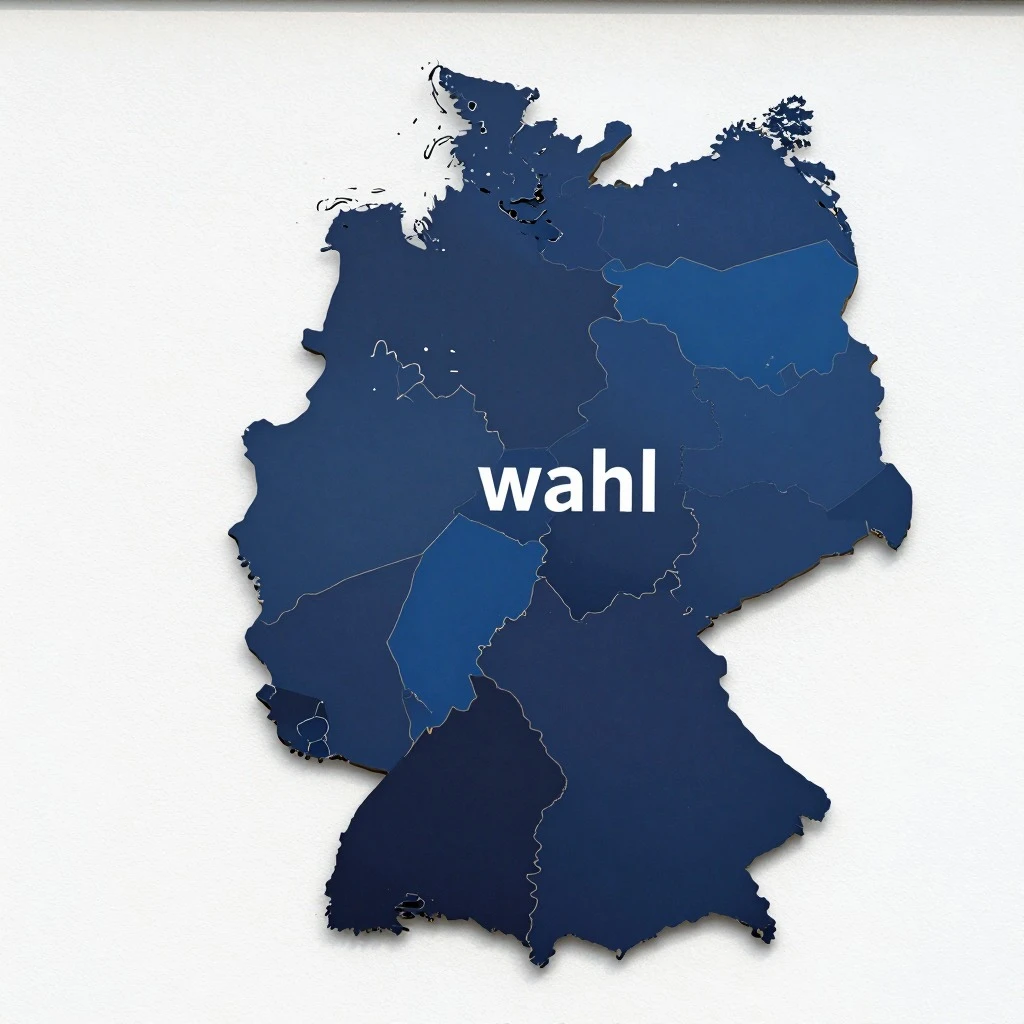
The recent state election in Sachsen-Anhalt has emerged as a significant political event, not just for the region but for the entire country. With a voter turnout that reflected high public engagement, the results have reshaped the political landscape, signaling a shift in voter priorities and party dynamics. This election serves as a barometer for national trends, particularly in the eastern states of Germany, where issues like economic development, migration, and social cohesion are at the forefront.
One of the key takeaways from the election is the rise of populist and protest parties, which have capitalized on widespread discontent with traditional parties. The AfD (Alternative for Germany) made notable gains, reflecting a growing sentiment among voters who feel left behind by mainstream politics. However, despite their success, the other major parties have maintained a cordon sanitaire, refusing to form coalitions with the AfD. This has led to complex coalition negotiations, potentially resulting in a government that may struggle to address the urgent issues facing the state, such as infrastructure gaps and demographic decline.
In contrast, the Christian Democratic Union (CDU) managed to retain its position as the strongest party, albeit with a reduced share of the vote. The CDU’s strategy of focusing on local issues and distancing itself from national controversies appears to have resonated with some voters. Meanwhile, the Social Democrats (SPD) and the Greens saw mixed results, reflecting the broader volatility in German politics. The election also highlighted the importance of personalized campaigning, with candidates’ local reputations playing a crucial role in swaying undecided voters.
Looking ahead, the Sachsen-Anhalt election offers valuable lessons for the upcoming federal elections. It underscores the need for traditional parties to reconnect with voters on a grassroots level and address concerns about economic inequality and social integration. The results also emphasize the growing fragmentation of the political spectrum, making coalition-building more challenging. As Germany navigates these turbulent political waters, the outcomes in Sachsen-Anhalt will likely influence strategies and alliances at the national level, making this state election a pivotal moment in shaping the country’s political future.
 Shimanta Das