Strategic Shifts and Airbus A330s: Netherlands’ Defense Evolution
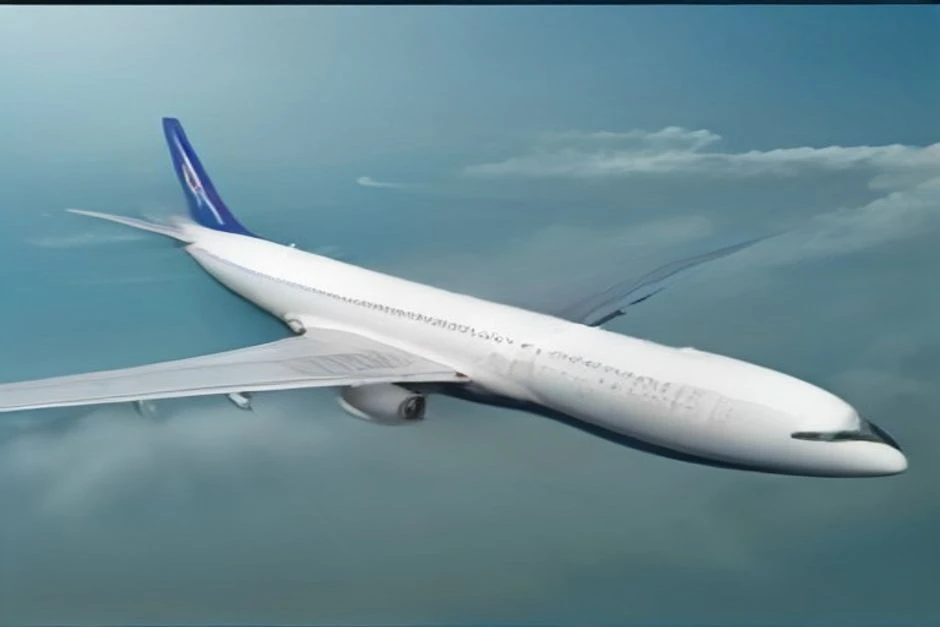
In the realm of international defense, strategic dependencies can linger for years before governments recognize the inherent risks. The Netherlands, a key player in European security, has recently found itself at a crossroads, particularly concerning its Airbus A330 multi-role tanker transport (MRTT) fleet. For too long, the reliance on external partners for critical capabilities went unquestioned, but a paradigm shift is underway. Had decision-makers consulted the pilots and operational experts earlier, the urgency might have been felt sooner. However, as the saying goes, better late than never, and the Dutch government is now pivoting with remarkable speed to address these vulnerabilities.nnThe catalyst for this change is the multinational MRTT fleet, operated under the auspices of NATO and the European Defence Agency. The Netherlands, along with Luxembourg, Germany, Norway, and Belgium, shares a fleet of eight Airbus A330s. These aircraft are not just tankers; they are force multipliers, enabling air-to-air refueling and strategic transport. A crucial operational detail is that one of the eight aircraft is always kept in a medical evacuation configuration, ensuring that no delays occur during the conversion process. This continuous availability underscores the fleet’s readiness and the commitment to humanitarian missions, but it also highlights the delicate balance between operational demands and maintenance schedules.nnThe participating countries have collectively shouldered the responsibility for the acquisition, management, operations, and support of the fleet. This collaborative approach spreads costs and risks, but it also introduces complexities in decision-making and logistics. Recognizing the need for enhanced cooperation, the Netherlands and France are now exploring a partnership agreement covering training, maintenance, development, and spare parts. Such an initiative could streamline operations, reduce costs, and, most importantly, mitigate the strategic dependency on non-European suppliers. This move signals a broader European effort to bolster defense autonomy, a lesson painfully learned from past over-reliance on external actors.nnAs the Netherlands navigates this strategic recalibration, the Airbus A330 fleet stands as a testament to the power of collective action and the necessity of adaptability. The government’s newfound awareness, though belated, is driving swift policy changes that could serve as a model for other nations. By investing in shared capabilities and fostering deeper partnerships, the Netherlands is not only enhancing its own security but also contributing to a more resilient European

 Shimanta Das