Typhoon No. 15: Path, Impact, and Safety Measures in Japan
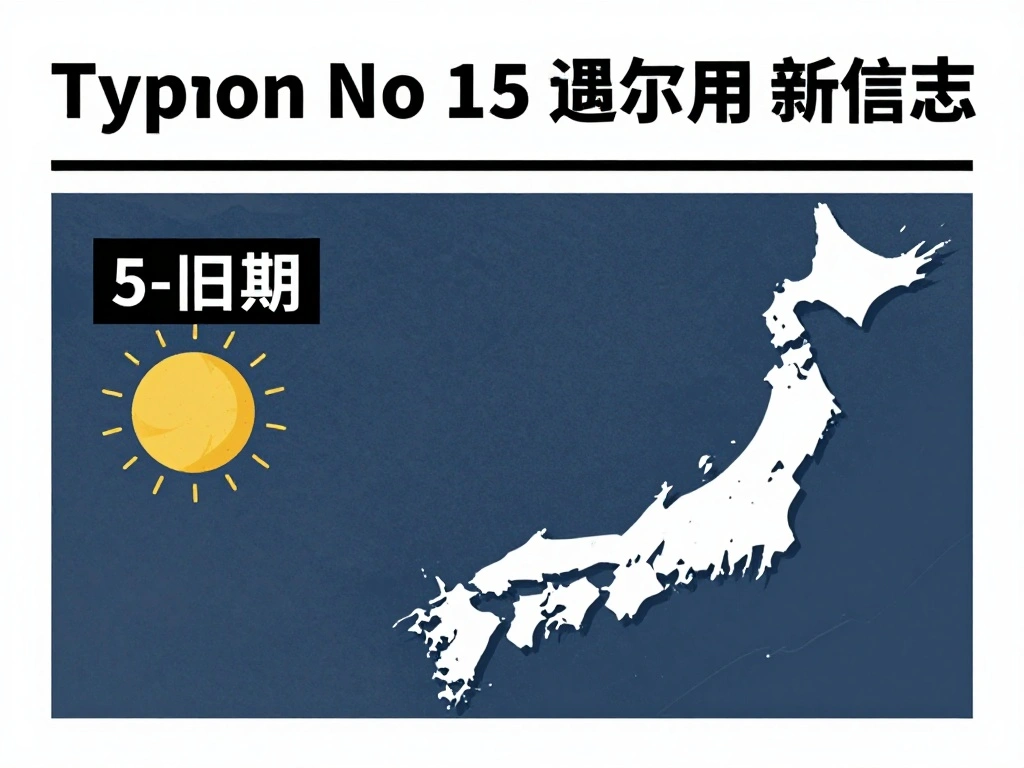
Typhoon No. 15, which formed from a tropical depression southeast of Minami Daitō Island on September 3, has been making its presence felt across Japan. The storm initially moved north, then shifted northeast, skirting Miyazaki Prefecture’s coast before making landfall near Sukumo City in Kōchi Prefecture around 4 PM on September 4. As of the latest updates, the typhoon remains a significant weather system, with the RSMC Tokyo – Typhoon Center providing crucial tracking information for the region.
The primary concern for residents and authorities is the heavy rainfall expected across wide areas of western and eastern Japan through September 5. This precipitation is driven by the warm, moist air circulating around both the typhoon and a high-pressure system, as well as a front crossing the main island of Honshu. As a result, there is a heightened risk of landslides, flooding, and river overflows. Local meteorological agencies have urged people in affected areas to stay vigilant and follow evacuation orders if necessary.
Interestingly, the typhoon’s intensity and trajectory have been closely monitored. On August 9, a separate storm (No. 13) remained large and strong, moving west at about 20 kilometers per hour after making landfall on the Chinese mainland. This highlights the active typhoon season in the western North Pacific, where the RSMC Tokyo – Typhoon Center plays a vital role in issuing tropical cyclone information. However, it is important to note that the center’s advisories are not official warnings; those are issued by national meteorological services of individual countries.
For those in Japan, staying informed through official channels is crucial. The Japan Meteorological Agency (JMA) provides real-time updates and warnings. Residents should prepare for potential disruptions, secure loose objects, and avoid low-lying areas prone to flooding. By heeding official guidance and staying updated on the typhoon’s path, communities can better safeguard lives and property during this severe weather event.


 Shimanta Das