Storm vs. Fire: A Tale of Two Extremes in U.S. Weather
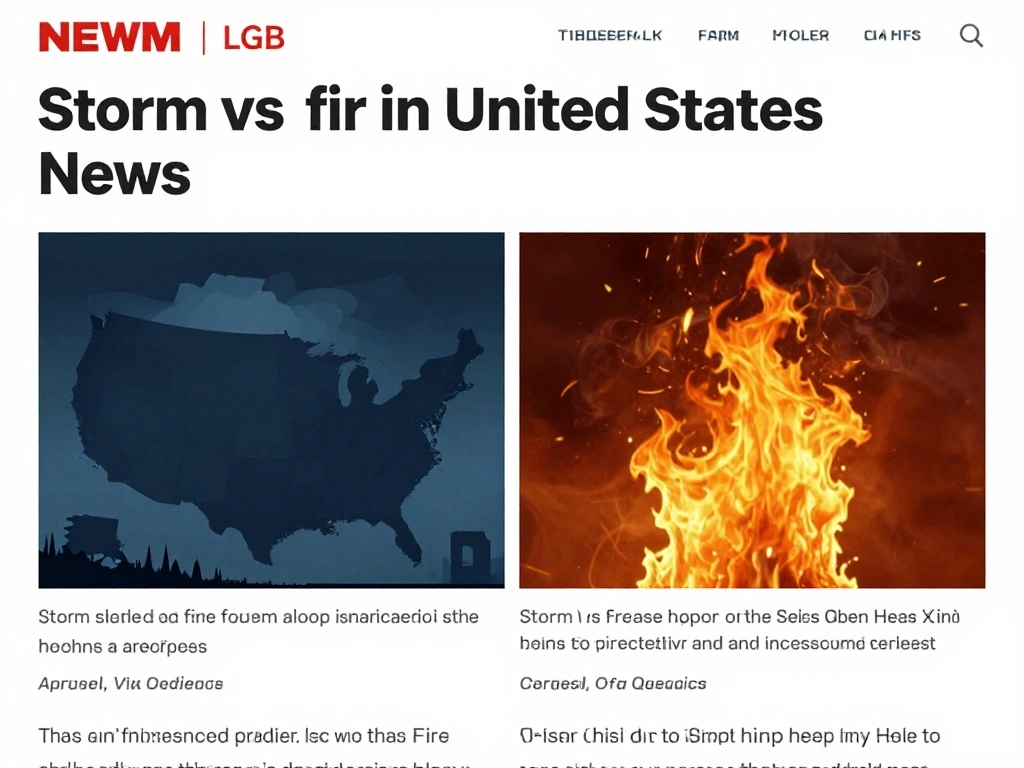
As the United States braces for a weekend of severe weather, the National Weather Service has issued warnings for significant tornadoes, some of which could be long-track and violent, expected Saturday afternoon and evening. This comes on the heels of a day marked by extreme fire behavior across multiple geographic areas, with fires burning hundreds of thousands of acres. The juxtaposition of these two natural disasters highlights the diverse and often extreme weather challenges facing the nation.
While tornadoes capture immediate attention due to their sudden and destructive nature, wildfires represent a longer, more persistent threat. The National Weather Service’s storm reports for August 9-10, 2026, show no tornado, hail, or wind reports as of yet, but the potential for severe weather remains high. In contrast, the fire situation is already dire, with fires hundreds of thousands of acres in size and extreme fire behavior reported. This duality underscores the need for comprehensive preparedness and response strategies.
One critical insight from the fire management community is the importance of early suppression of new fire starts. The vast majority of wildfires are contained within 24 hours of their discovery during the initial attack stage, preventing them from growing into large-scale incidents. Prepositioning firefighters and resources strategically, especially in areas identified by predictive services as having high potential for large fire growth, is essential. This proactive approach must be balanced with the immense demand for resources to combat already raging fires.
In recent years, the wildfire season has lengthened, with significant fires now occurring in nearly every month somewhere in the country. This trend, coupled with the unpredictable nature of severe storms, calls for heightened vigilance and adaptive management. As communities across the U.S. face the dual threats of storms and fires, the need for robust early warning systems, resource allocation, and public awareness has never been more critical. The contrast between the sudden, localized impact of a tornado and the slow, expansive devastation of a wildfire reminds us that nature’s fury takes many forms, and we must be prepared for all of them.

 Shimanta Das