
Germany Battles Wildfires Amid Heat Wave as Cyclists Crash at National Championships
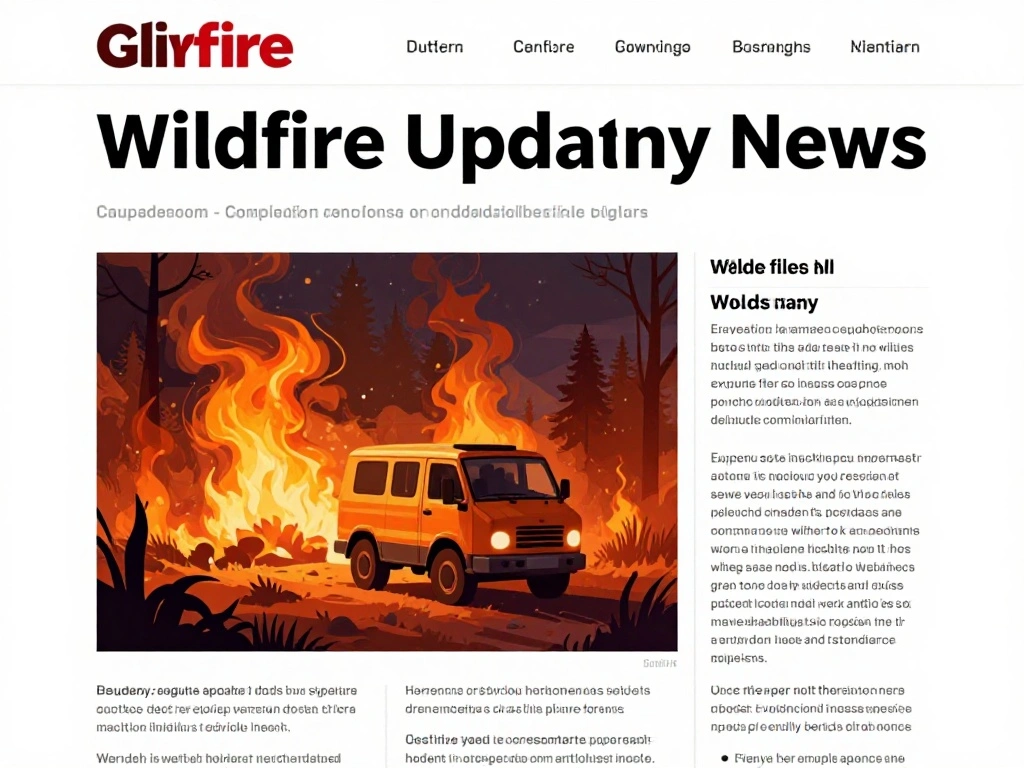
Germany is grappling with a series of wildfires that erupted during the first major heat wave of the summer, affecting much of western Europe. Firefighters in the eastern part of the country have been battling major blazes all weekend, but are now feeling more optimistic as cooler weather arrives following the intense heat. The wildfires have prompted widespread monitoring, with satellite data from NASA FIRMS tracking active fire points across the region. While the situation is improving, authorities urge caution as the data should not be relied upon for critical safety decisions.
Meanwhile, a separate incident at the German Track Cycling Championships in Dudenhofen, a western municipality, has drawn attention. During the elite keirin semi-finals on Sunday, two riders crashed into the crowd at high speed, injuring several spectators. Two spectators were flown to hospital by helicopter, and the remainder of the final day of competition was called off, according to Germany’s SWR broadcaster. The crash highlights the risks associated with high-speed cycling events and has led to questions about spectator safety.
In a bizarre twist, a separate report mentions that a capsule lost communication before splashdown, with all remains of the deceased and experimental items, including cannabis seeds, now scattered in the Pacific. This incident, while unrelated to the wildfires or cycling crash, adds to a week of unusual events in Germany. The wildfires, however, remain the primary concern, with firefighters making progress as temperatures drop.
Germany’s wildfire map, updated every 10 minutes using NASA FIRMS satellite data, provides comprehensive global coverage of active fires. The map includes intensity filters for critical and medium fire classification, as well as temperature and confidence data. While thermal anomalies support the mapping process, they are not the primary data source. As Germany moves past the heat wave, the focus remains on containing the remaining fires and preventing new outbreaks.

 Shimanta Das


