Trump Designates Oval Office as National Monument to Preserve Presidential Legacy
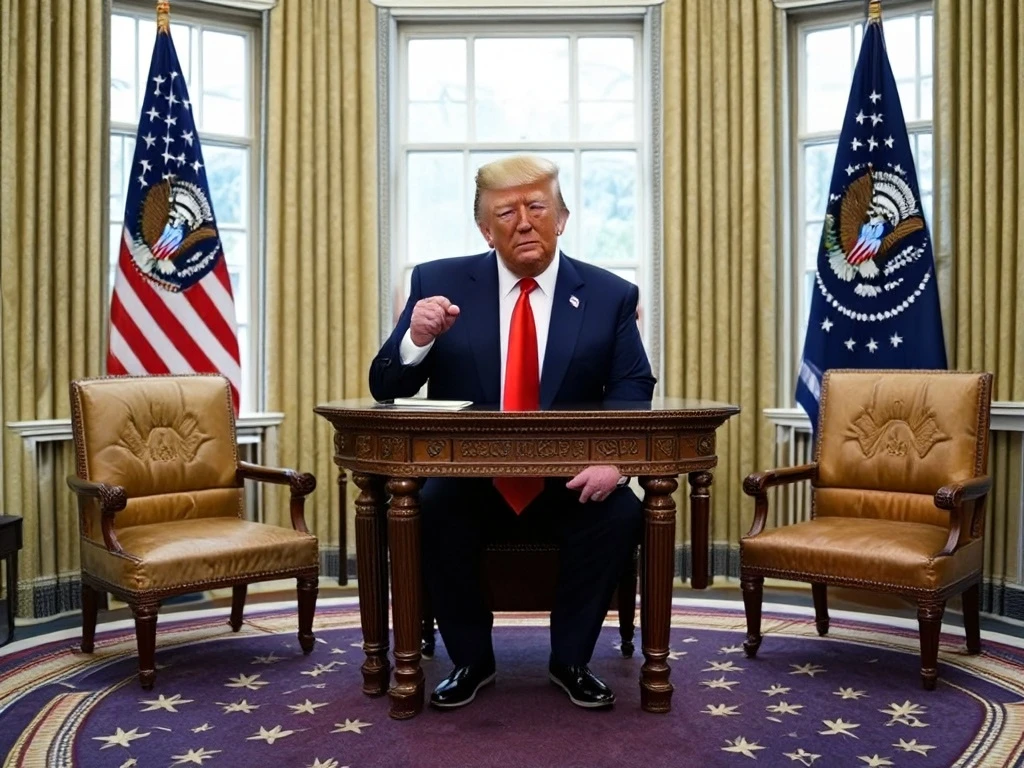
President Donald Trump has designated the Oval Office, the Cabinet Room, and the Outer Oval Office as national monuments, aiming to shield these iconic spaces from major alterations by future presidents. The move, announced via a proclamation, directs the Interior Department through the National Park Service to develop a management plan focused on preserving the rooms’ “structural and significant architectural features.” The designation also mandates documentation, review, and consideration of alternatives before any action that would substantially alter or demolish the spaces or their essential architectural elements.
Trump argued that these rooms are vital symbols of the American presidency and should be preserved for future generations. “These are sacred spaces where history is made,” he said. The proclamation formalizes protections that go beyond existing historical preservation laws, though it remains unclear how binding the monument status will be on future administrations. Trump separately stated that any major changes would require congressional review, though such a requirement is not explicitly written in the document’s text. When asked on Thursday about what future administrations could change, Trump reiterated that major alterations would need congressional approval.
The announcement came on Wednesday, a day after Republicans suffered defeats in key races across the country, and Trump gathered reporters to sign the final beam being raised during construction of his opulent ballroom project. He used the occasion to emphasize the need to maintain the historic residence, saying the work was necessary to preserve its grandeur. The timing raised eyebrows among critics, who suggested the monument designation might be an attempt to cement his legacy and limit his successor’s ability to put their own stamp on the executive mansion.
The Oval Office National Monument proclamation represents a novel use of the Antiquities Act, which has traditionally been used to protect natural and historical sites, not working offices of the president. Legal experts are divided on whether the designation can withstand challenges, as the president’s authority to unilaterally protect areas within the White House complex is untested. The management plan to be developed by the National Park Service will outline specific preservation measures, but it is uncertain how it will interact with the president’s day-to-day use of the spaces. For now, the designation signals Trump’s intent to leave a lasting mark on the presidency, both physically and symbolically.

 Shimanta Das