Monica McNutt Critiques Caitlin Clark’s Media Narrative: A Heated Debate in Women’s Basketball
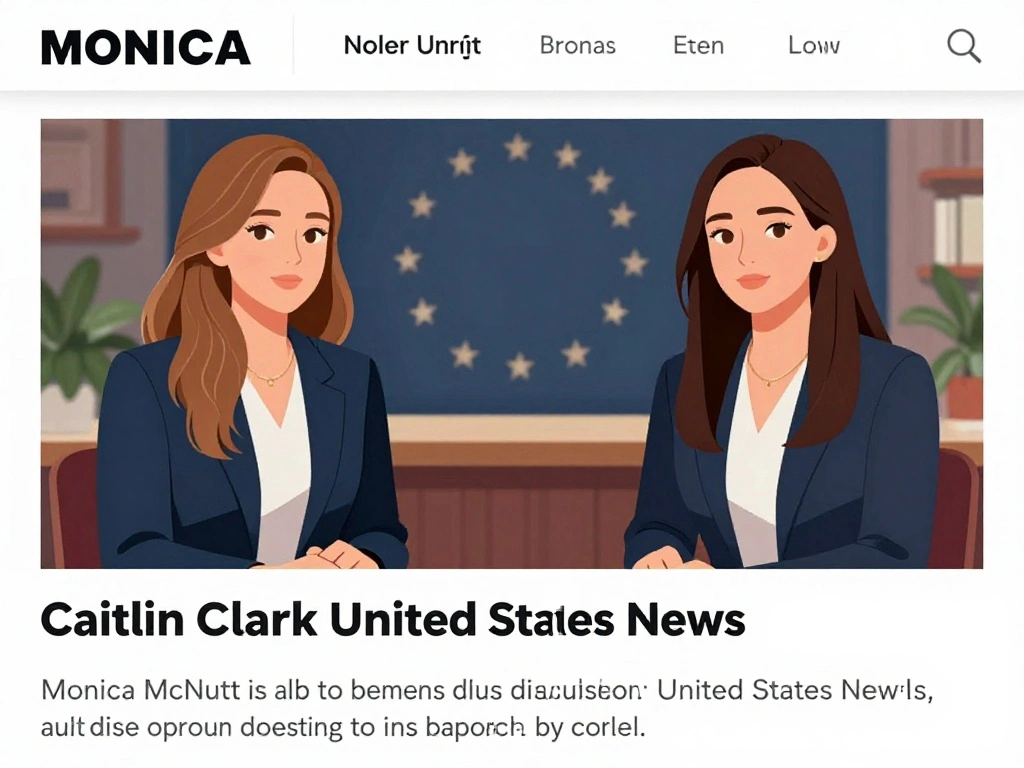
ESPN analyst Monica McNutt has once again found herself at the center of a heated debate, this time calling out WNBA star Caitlin Clark for her choice of words during a recent interview. The controversy erupted after Clark, the Indiana Fever guard, told ESPN’s Malika Andrews that she “shouldn’t be fearful” of the media conversation surrounding her after every game. McNutt, 36, took issue with this phrasing, arguing that Clark’s word choice reflects a lack of accountability for the intense scrutiny that comes with being a top player in the league.
McNutt’s criticism is rooted in the broader context of media coverage and race in women’s basketball. She emphasized that Clark, as a white star in a predominantly Black league, benefits from a certain level of privilege that shapes how her actions are perceived. McNutt stated, “Clark is going to be covered in the same way she’s presently being covered as long as she remains one of the league’s top players,” implying that the attention is not solely about her race but also her performance. However, McNutt’s remarks have drawn backlash from fans who accuse her of unfairly targeting Clark. One social media user wrote, “Monica McNutt essentially blaming Caitlin on everything that happens around her and demanding accountability one week after the Emmett Till article… Her days are numbered with the current layoffs at ESPN.”
The debate highlights the ongoing tension between Clark’s rising stardom and the media’s role in shaping her narrative. During WNBA All-Star Weekend, Clark told Andrews that there is “a false characterization of who I am sometimes,” suggesting that the media often misrepresents her. McNutt, however, pushed back, arguing that Clark must take responsibility for how her words and actions influence public perception. This exchange underscores the delicate balance athletes must strike when navigating fame, especially in a league where race and gender dynamics are frequently scrutinized.
As the WNBA continues to grow in popularity, the conversation around Clark and McNutt reflects a larger cultural shift. Clark’s success has brought unprecedented attention to the league, but it has also exposed underlying tensions about how Black and white players are treated by the

 Shimanta Das