The Swiss Psalm: A National Anthem That Refuses to Fade Away
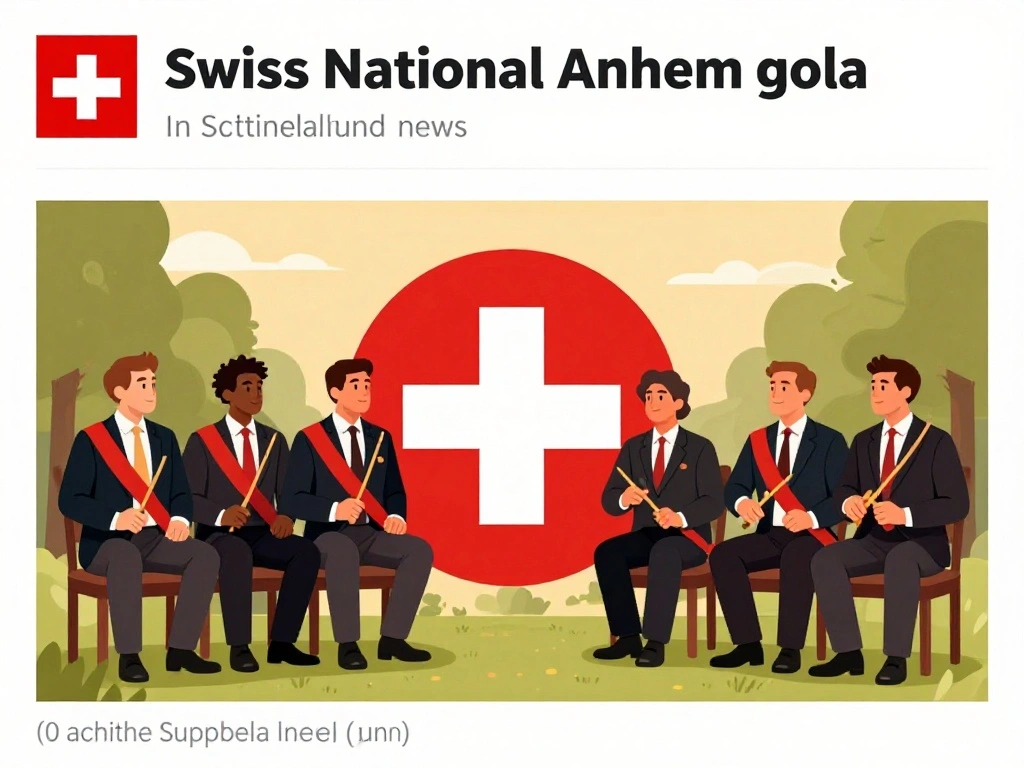
Every year on August 1st, Switzerland erupts in celebration—barbecues, fireworks, and communal gatherings mark the founding of the nation. Yet amid the festivities, few can sing the national anthem by heart. The Swiss Psalm, as it is known, has a peculiar place in the country’s identity: it is neither stirring nor universally memorized, but it has survived every attempt at replacement. This resilience is a testament to its unique history and the quiet affection it commands.
The anthem’s journey to official status was remarkably slow. Switzerland did not have an official national anthem until 1961, when the Federal Council selected Trittst im Morgenrot daher (“When the morning skies grow red…”). It was not until April 1981 that the anthem received definitive statutory recognition, with the Federal Council declaring it “purely a Swiss song, suitably dignified and solemn.” This formal endorsement came after decades of informal use and debate, reflecting the Swiss preference for gradual, consensus-driven change.
The Swiss Psalm was born of an unusual friendship, and its lyrics evoke the beauty of the Swiss landscape—the morning light, the Alps, and the sense of divine protection. Unlike anthems that celebrate military victories or revolutionary fervor, this one is a prayer-like hymn, which may explain its enduring appeal. It has resisted numerous attempts at replacement, from proposals for more modern or rousing alternatives to calls for a more inclusive text. Yet each time, the Swiss have chosen to keep the Psalm, perhaps because it mirrors their national character: understated, resilient, and deeply rooted in tradition.
As the nation moves forward, the Swiss Psalm remains a quiet constant. It may not stir the soul like other anthems, but it embodies a unique sense of belonging. Until the next attempt at change—and probably several after that—the Swiss Psalm will therefore remain in place, a gentle, enduring symbol of Switzerland’s identity.
 Shimanta Das