King Tides Inundate Roads on Both US Coasts, Advisories Issued to Ease Impacts
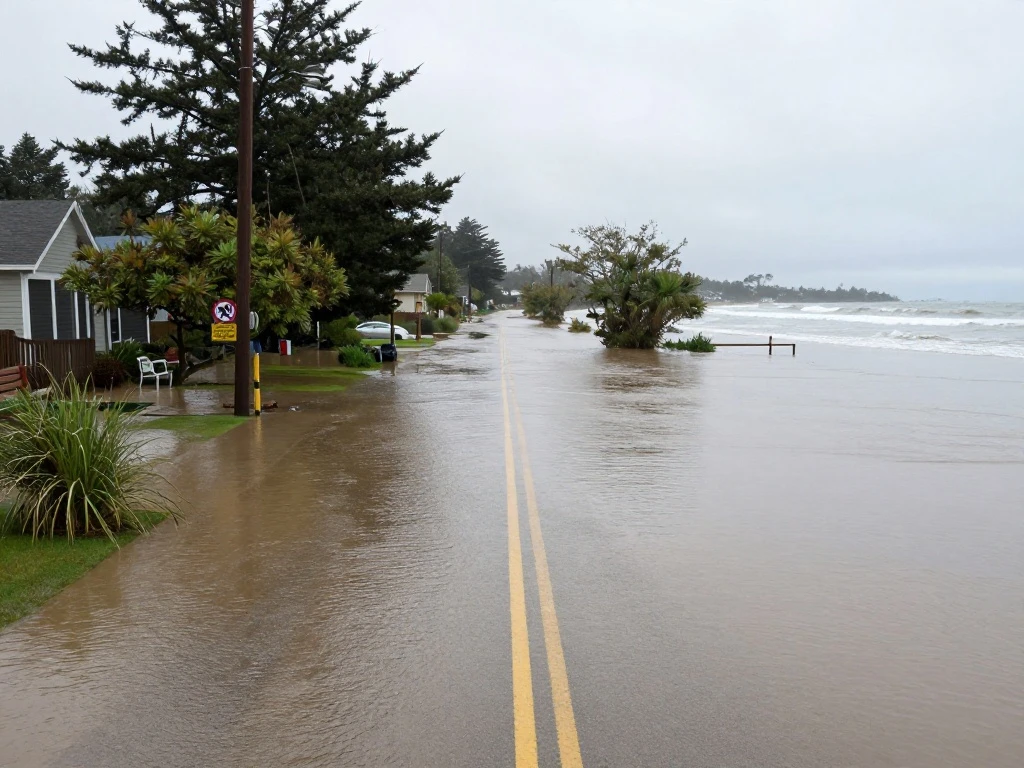
Unusually high king tides are causing significant coastal flooding along both the East and West Coasts of the United States, prompting authorities to issue advisories and warnings. In Miami, Virginia Key—a barrier island—experienced its highest king tide and the third-highest water level since records began three decades ago, according to meteorologist Fisher. The flooding has covered roads near Fort Lauderdale and South Hutchinson Island, while communities from the Florida Keys to North Carolina’s Outer Banks are grappling with record-breaking coastal flooding. Coastal flood alerts remain active from California’s Bay Area down to San Diego, and typically safe roads in Fort Lauderdale are also experiencing unusual inundation.
The National Weather Service has warned that late-morning high tides could inundate homes, businesses, and critical infrastructure, close roads, and cause shoreline erosion. Coastal flood warnings remain in effect through Wednesday evening for coastal Broward and Miami-Dade counties. In Palm City, the Martin County Sheriff’s Office reported significant flooding along Southwest Dyer Point Road, Southwest 34th Street, and Cornell Avenue. The weather service cautions that coastal roads may close and that low-lying homes, businesses, and some critical infrastructure could flood. Additionally, communities from the Outer Banks to Daytona face ongoing beach erosion threats, with new rain and high surf advisories compounding the clear-sky tidal flooding in Florida.
Meteorologists note that the next major statewide king tide periods are scheduled later in the year, but for now, residents and visitors are urged to stay informed and avoid flooded areas. The combination of king tides and other weather factors has created a challenging situation for coastal communities, highlighting the need for continued monitoring and preparedness. As the tides recede, advisories will help ease the impacts, but the threat of flooding and erosion persists, especially in vulnerable areas.

 Shimanta Das