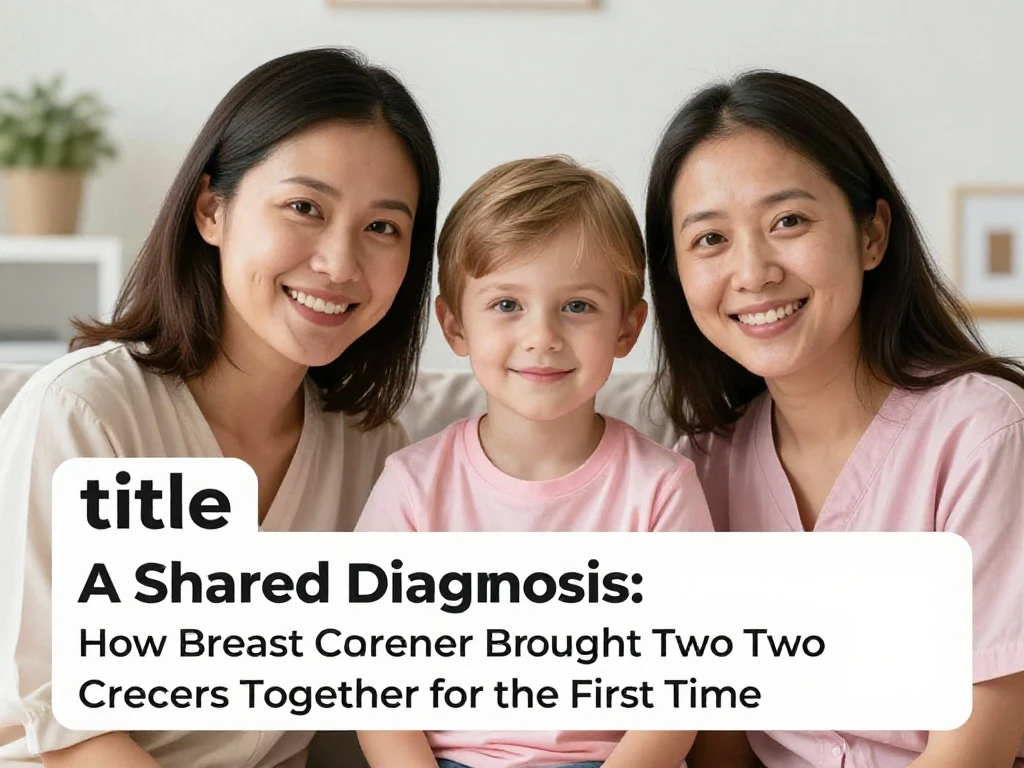
A Shared Diagnosis: How Breast Cancer Brought Two Cousins Together for the First Time
When a breast cancer diagnosis arrives, it often feels like a solitary journey. But for two women of Ashkenazi Jewish descent, a genetic discovery would connect them in an unexpected way—introducing cousins who had never met and turning a shared risk into a powerful bond of support and advocacy.nnAs an individual of Ashkenazi Jewish descent, she learned from her surgeon that her risk for carrying a genetic mutation was significantly higher than the general population. This revelation prompted genetic testing, which confirmed a BRCA mutation—a finding that would ripple through her family tree. Unbeknownst to her, a cousin she had never met was facing her own breast cancer battle. When the two women learned of each other’s diagnoses and shared genetic heritage, they reached out. What began as a medical coincidence quickly evolved into a deep connection, as they navigated surgeries, treatments, and emotional ups and downs together. “I thought that I had some sort of leg up in this metaphorical race against cancer, essentially,” one cousin reflected, realizing that her knowledge of her genetic risk didn’t make the journey any less challenging—but it did give her a unique perspective to share.nnThe story also highlights the critical importance of regular screenings. One cousin’s mother, Kathryn Pecoraro, was described as “a calm and reserved woman who knew how to maintain her inner peace.” Despite her diligence in getting annual mammograms, in 2019 both she and her primary care doctor overlooked scheduling the exam. By the time the cancer was detected, it had progressed. However, by February 2023, her breast tumor had shrunk significantly, and she underwent a lumpectomy—a testament to the power of timely intervention, even when delays occur. “I hope that my mom’s story serves as an important reminder for women to stay current with their recommended mammograms,” her daughter shared, emphasizing that vigilance can save lives.nnFor the cousins, the experience has reinforced the value of patient-centered care. “I understand how important it is to be there for our patients, take the time to listen and help them get what they need,” one noted, reflecting on how her own journey has

 Shimanta Das