Trump Waives Sanctions in Major Russian Diesel Deal, Sparking Bipartisan Backlash
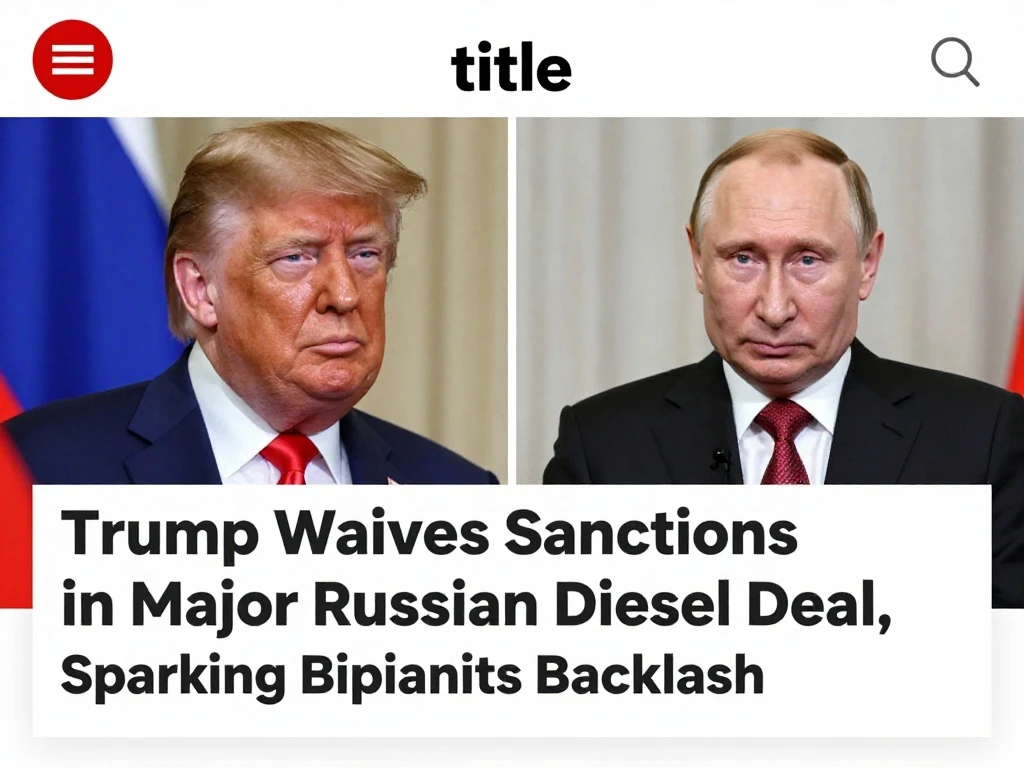
In a move that has stunned lawmakers and allies alike, President Trump late on October 16 signed an executive order exempting Russia from key sanctions and tariffs under the Graham Act, just two days before the law was set to take effect. The waiver, which Trump justified as being in the national interest, clears the way for a major Russian diesel deal—a decision that critics say runs counter to both the spirit of the legislation and long-standing U.S. economic policy toward Russia. The Graham Act, named for the late Senator Lindsey Graham, was passed with strong majorities in both chambers, though many Democrats opposed it for granting the president new tariff powers. The law’s namesake was a fierce Trump ally, and his endorsement was critical in helping his sister win her GOP primary. Now, she is touting the bill’s success as a key part of her campaign for a full Senate term.nnThe timing of the waiver has raised eyebrows. The price of diesel fuel has shot up almost 70% since the war with Iran began in February, and the sanctions relief comes less than three weeks before the midterm elections, as the cost of living remains a top issue for voters. “The diesel deal was a major shock for the Ukrainians, for European governments, for members of Congress who thought they were slowly moving Trump toward new sanctions on Russia,” said Stephen Sestanovich, a senior fellow for Russian and Eurasian studies at the Council on Foreign Relations. Another law signed by Trump during his first term requires congressional review of significant changes to Russian sanctions, but it is unclear whether the administration has complied with that requirement.nnReaction from Capitol Hill has been swift and sharp. Senator John Cornyn, R-Texas, who lost a primary to a Trump-backed challenger earlier this year, wrote that the waiver “runs counter to the spirit of the law” and undermines efforts to hold Russia accountable. The Graham Act was designed to impose tough sanctions on Russia for its aggression in Ukraine and its interference in U.S. elections, and many lawmakers believed Trump was slowly moving toward a tougher stance. Instead, the waiver has left them feeling blindsided. “I don’t see this as very likely to have a significant impact on global diesel markets,” one analyst noted, suggesting the deal may be more

 Shimanta Das