Gas Prices Hit $4.32 a Gallon as Iran War Drives Up Fuel Costs
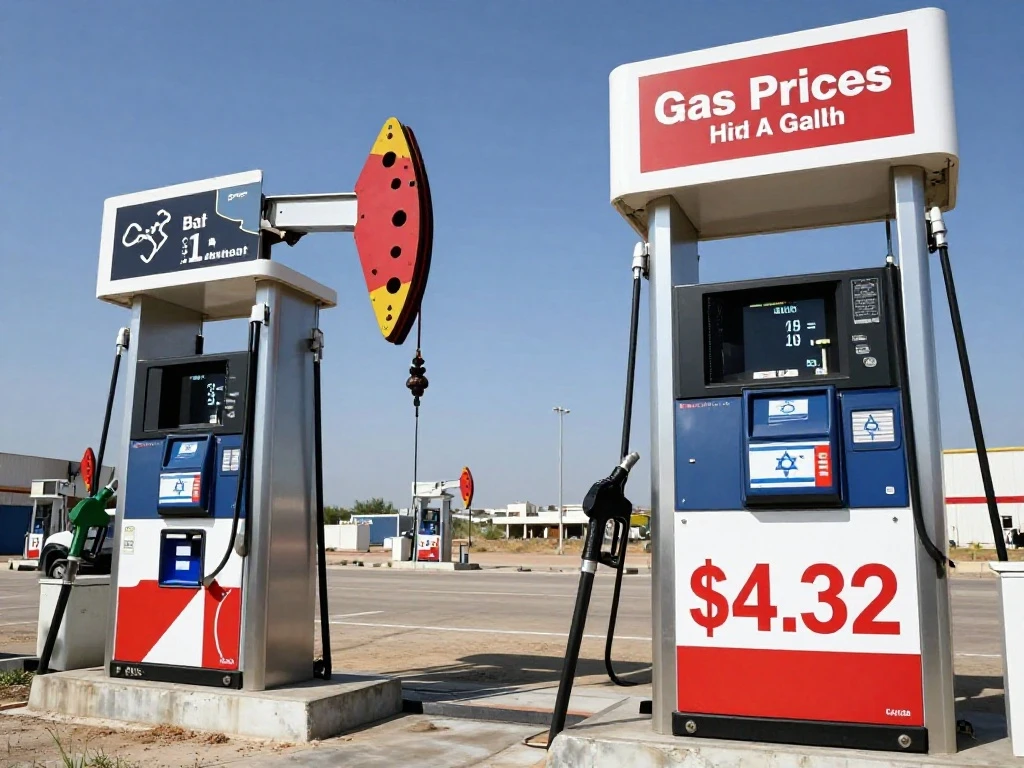
Gas prices have surged to an average of $4.32 a gallon as the ongoing conflict between Israel and Iran continues to disrupt global oil markets. The war has set off a global oil shock, spiking fuel costs and putting pressure on consumers and economies worldwide. According to Moody’s Analytics, the Iran conflict began when prices were around $1,760, but the situation has escalated dramatically, with no immediate end in sight.
The effective closure of the Strait of Hormuz, a critical waterway between the Persian Gulf and the Gulf of Oman through which one-fifth of the world’s oil supply flows, has been a major factor. For the past month, this closure has slowed or stopped energy production and transportation across the Middle East. Analysts say prices are likely to remain elevated until shipping resumes in the Strait. Crude oil, the main ingredient in auto fuel, accounts for more than half of the price paid at the pump, according to federal data. This means any disruption in oil supply directly hits drivers’ wallets.
The broader economic implications are alarming. Fatih Birol, head of the International Energy Agency, warned that the global economy faces a “major, major threat” and that no country would be “immune to the effects of this crisis if it continues to go in this direction.” In Washington, D.C., policymakers are grappling with the fallout. The CNBC Fed Survey found that the majority of respondents expect the Federal Reserve to raise rates at least twice in the next year, which could further strain consumers. Meanwhile, former President Trump eased sanctions on Russian oil and suspended a key regulation of domestic oil transport, moves aimed at stabilizing supply but with uncertain long-term effects.
Consumers may need to pull back on spending, a worrisome outcome considering consumer spending accounts for the majority of the country’s gross domestic product. With gas prices at $4.32 and likely to stay high, households are feeling the pinch, and the ripple effects could slow economic growth. As the conflict persists, all eyes remain on the Strait of Hormuz and any signs of de-escalation that could bring relief at the pump.

 Shimanta Das