Early Flu Surge Hits Western States as RSV Stays Low and COVID-19 Declines
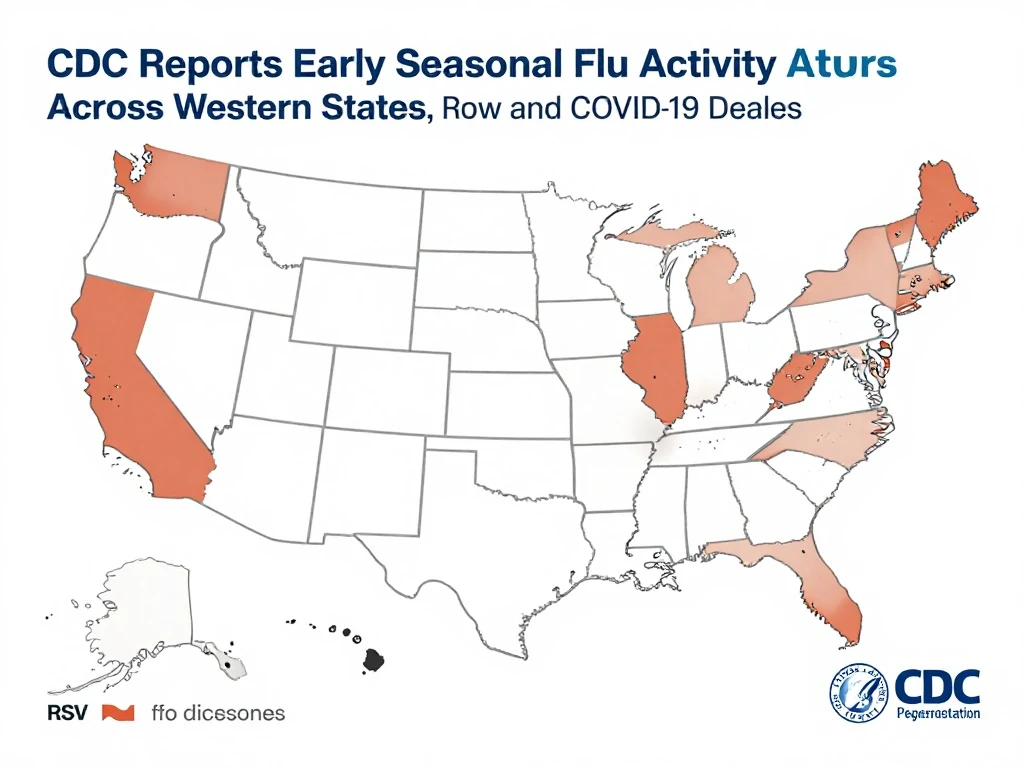
The Centers for Disease Control and Prevention (CDC) reported a shift in respiratory virus activity this week, noting that after three weeks of declining cases, influenza levels rose and remain elevated across the United States. While nationwide seasonal flu activity is still considered low, it is increasing, with early and unusual patterns concentrated in Western states. Meanwhile, respiratory syncytial virus (RSV) activity remains low overall but is high in certain regions, and COVID-19 continues to decline nationally. The CDC’s weekly respiratory virus update and FluView report also highlighted that eight more pediatric flu deaths have been reported, underscoring the severity of the season for young children.
Influenza A rates have remained stable, but influenza B is gaining ground across the country. Wastewater surveillance shows very high concentrations of COVID-19 in Connecticut, Iowa, Indiana, Maine, Michigan, Oklahoma, and South Dakota; for influenza A in South Dakota and Vermont; and for RSV in Maryland, Massachusetts, Louisiana, and Virginia. These regional hotspots indicate that while national trends may appear reassuring, local communities face significant viral circulation. The early start to the flu season, particularly in the West, is raising concerns about overlapping viral surges. When influenza peaks earlier than expected, it can strain emergency departments and urgent care facilities, especially if it coincides with late-season spikes in RSV or COVID-19. Additionally, an early flu peak can lead to higher absenteeism in schools and workplaces, disrupting local supply chains and essential services.
Health officials emphasize that prevention is key, especially for young children, older adults, and those with pre-existing medical conditions. “It’s important to vaccinate them as well as vaccinate yourself to protect our whole community,” said Vyas, a public health spokesperson. Vaccination remains the most effective tool to reduce severe illness, hospitalizations, and deaths. With influenza B gaining ground and RSV and COVID-19 still circulating in certain areas, staying up to date on all recommended vaccines is crucial. The CDC continues to monitor these trends and urges the public to take proactive steps to protect themselves and their communities as the respiratory virus season progresses.

 Shimanta Das