Trump’s Iran Dilemma: Military Prepares Options as President Wavers on War
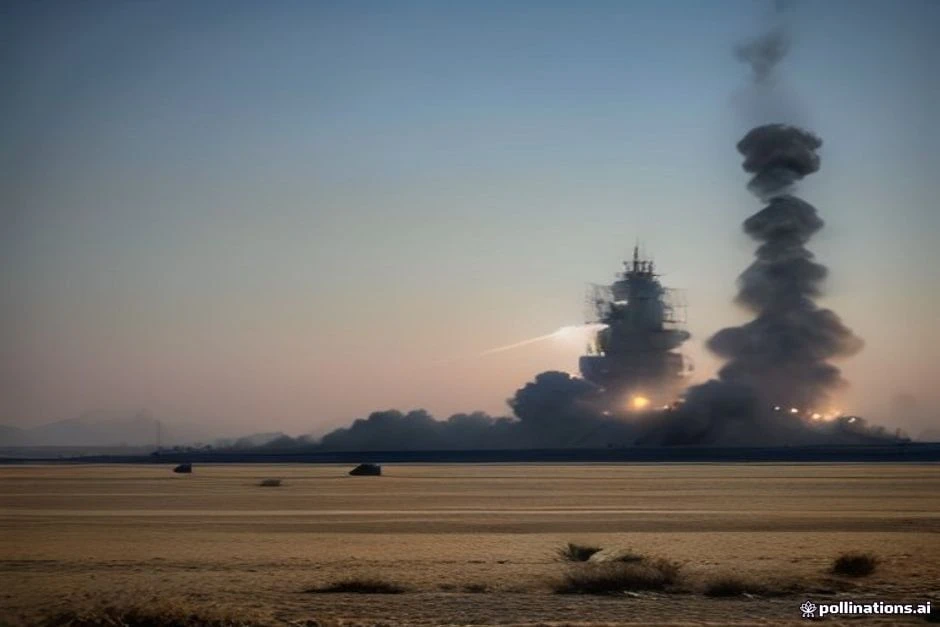
As President Donald Trump continues to send mixed signals about restarting major combat operations against Iran, the Pentagon and his national security team have presented him with five proposals for major operations targeting either Iran or the Iranian-backed Houthi militia in Yemen, according to American officials. Despite these preparations, Trump has shown ambivalence about plunging back into a war he once claimed was “essentially over.” The proposals underscore the ongoing tension between military readiness and the president’s reluctance to commit to a full-scale conflict.
Trump’s rhetoric has been contradictory. At a rally in Nebraska, he said the war is a “small price to pay” for keeping the U.S. safe, and he repeated the false claim that Iran—which has no nuclear weapons—could destroy an American city like Los Angeles or San Diego. Critics have called such comments “dangerous, if not treasonous.” Meanwhile, in June 2025, Trump ordered U.S. military strikes on Iran’s main nuclear-enrichment facility, which he said had been “obliterated.” That action marked a significant escalation, yet the president’s subsequent wavering has left allies and adversaries alike uncertain about his next move.
The political fallout is already being felt. Leaked audio reveals that Texas Senate candidate Ken Paxton blamed high gas prices and the Iran war for his uphill midterm battle. Republicans across the country are distancing themselves from Trump, and Democrats have sued the administration over taxpayer-funded ads they call illegal propaganda. Amid these domestic storms, Qatar has stepped in as a key mediator, with its foreign ministry stating it aims to build momentum “covering all issues of concern to both parties” and maintain open channels for regional stability.
As the administration weighs its options, the world watches closely. Trump’s unpredictability—praising military action one moment and questioning it the next—leaves both the Pentagon and international partners guessing. With the 2026 midterms approaching and public patience fraying, the president’s decisions on Iran could shape not only the Middle East but also his own political future.

 Shimanta Das