Federal Agencies Halt Permits for Arizona Migrant Water Stations as Deaths Surge
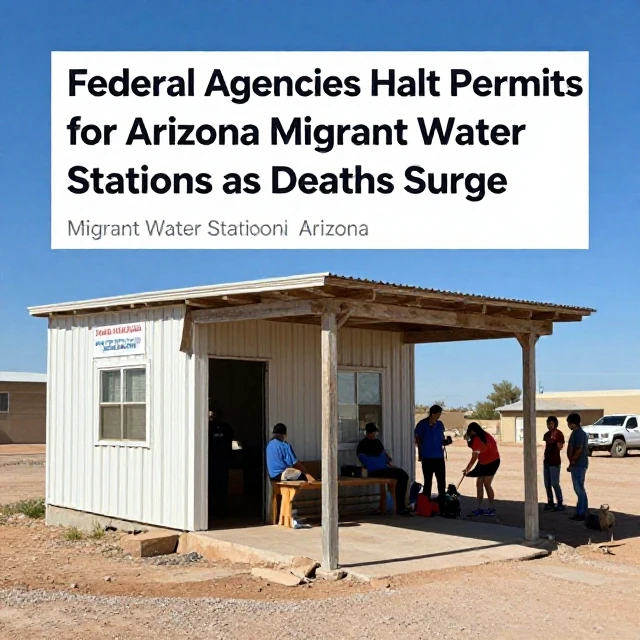
Humane Borders, a nonprofit organization dedicated to preventing migrant deaths in the Southern Arizona desert, announced that multiple federal agencies will not renew permits for 12 of its water stations. The decision, first reported by KGUN, has raised alarm among volunteers who fear it will leave migrants without lifesaving water in one of the most perilous regions of the U.S.-Mexico border. Mike Green, a volunteer who helps maintain the stations, warned that removing them would put people at risk. The stations are located on federal land, and the permit denials could severely impact the nonprofit’s ability to sustain its existing network.
The timing is particularly dire: this year alone, the remains of at least 86 migrants have been found in the region, most dying from lack of water and extreme heat. The U.S.-Mexico border is the deadliest land migration route in the world, according to the International Organization for Migration. As the border wall expands, migrants are forced to cross through increasingly remote and dangerous areas, making water stations even more critical. The loss of stations at Organ Pipe Cactus National Monument in the west desert is especially painful, as 16 migrants have already been found dead there this year. Humane Borders maintains a database of migrant deaths in partnership with the Pima County Office of the Medical Examiner, underscoring the scale of the crisis.
Volunteers like Green emphasize that the water stations are not a political statement but a humanitarian necessity. Without them, the number of deaths is likely to rise. The federal agencies’ decisions have not been fully explained, but they come amid a broader push to secure the border, which critics argue overlooks the human cost. Humane Borders has vowed to continue its mission, but the permit denials represent a significant setback. The organization is calling on supporters to advocate for the renewal of permits and to raise awareness about the deadly consequences of removing these vital resources.
As the border becomes more militarized and migration routes more treacherous, the need for humanitarian aid has never been greater. The denial of permits for these water stations highlights a growing tension between border enforcement and the preservation of human life. For now, the fate of the 12 stations remains uncertain, but the volunteers of Humane Borders remain steadfast in their commitment to preventing further deaths in the desert.</

 Shimanta Das