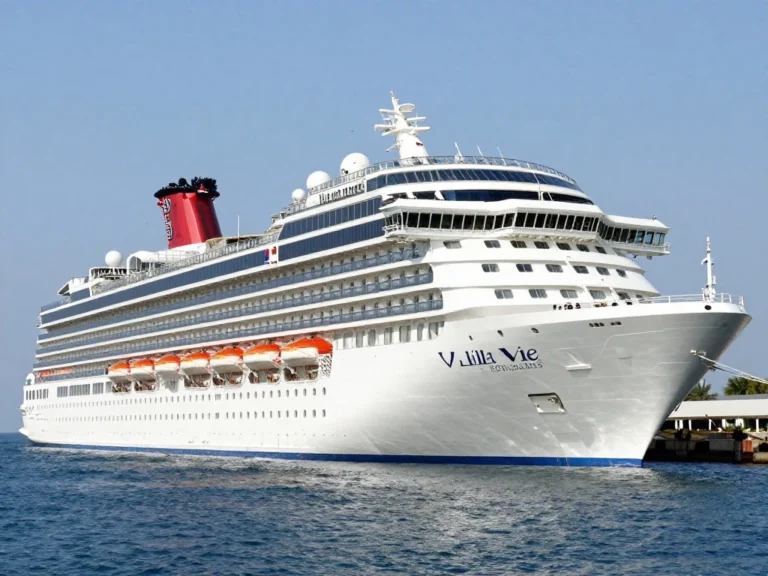
Strait of Hormuz Oil Flows Recover, But Tanker Attacks Expose Fragility of Global Energy Lifeline

Oil flows through the Strait of Hormuz have rebounded towards pre-war levels, offering temporary relief to global energy markets. According to recent data, crude exports from the Middle East briefly climbed above pre-war levels in the final week of September, signaling a fragile recovery. However, this positive trend is shadowed by renewed attacks on tankers, which serve as a stark reminder of the volatility and high stakes involved in this critical waterway. The Strait, only about 34 kilometres wide at its narrowest point, typically carries roughly a fifth of the world’s seaborne oil and gas, making it one of the most strategically significant chokepoints on the planet.
The recovery has been costly and precarious. Despite the increased flow, the water beneath the ships remains dangerous, with attacks exposing how quickly supply disruptions can reoccur. On Friday, oil prices settled at $25 a barrel, while Reuters reported that traders remained alert to the possibility of renewed supply disruption. The situation is further complicated by regional tensions, particularly involving Iran-backed Houthi forces. In a recent interview on Fox News’ “America’s Newsroom,” Jack Keane warned that Saudi Arabia “cannot let” the Houthis maintain control near the Bab al-Mandeb Strait, calling that waterway “strategically as significant as the Straits of Hormuz.” He noted that the Houthis escalated significantly when they took control of Bab al-Mandeb, threatening shipping and energy flows through the Red Sea during the Iran war.
These developments come as Yemen’s Saudi-backed government launched a major offensive against the Houthis, who have repeatedly targeted vessels in the region. The U.S. embassy has urged citizens to remain vigilant and follow guidance from Saudi Arabia’s Civil Defense. The intertwining of geopolitical conflict and energy security underscores the fragility of the recovery. Any escalation could swiftly choke off supplies, sending shockwaves through global markets. For now, the Strait of Hormuz remains a vital but vulnerable artery, its stability hanging by a thread as attacks and counterattacks continue to shape the landscape of oil shipping.

 Shimanta Das