Cornell University Under Investigation: 2024 Sexual Assault Allegations and the Fight for Accountability
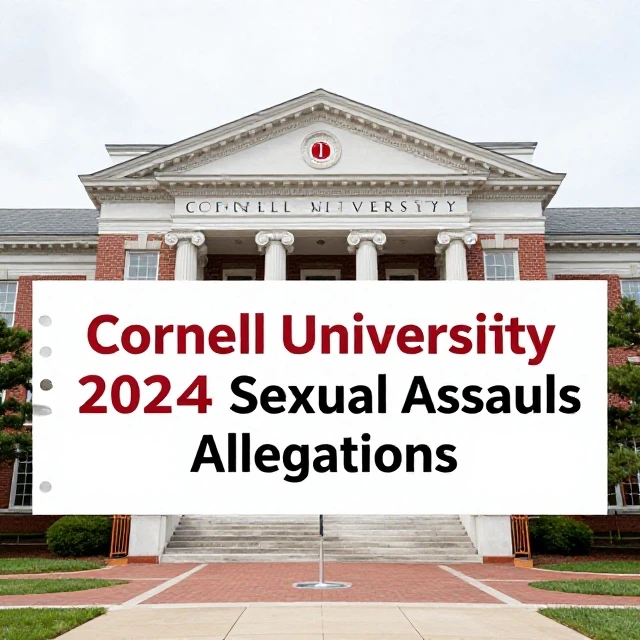
Cornell University is facing intense scrutiny over its handling of a 2024 sexual assault allegation involving a fraternity chapter that has since been closed. The incident, which occurred on October 19–20, 2024, at the Cornell campus in Ithaca, New York, has resurfaced with a lawsuit filed on September 16, 2026, by the survivor, identified as Doe. According to her 2024 report, several men reportedly ingested ketamine, and while a majority left after making additional advances, two men removed her to another room. The lawsuit and subsequent media coverage have thrust the case into the national spotlight, with advocates calling it “the most high-profile case of campus sexual assault to re-emerge in the post-Me Too era,” according to Tracey Vitchers, executive director of It’s On Us, a nonprofit dedicated to ending campus sexual assault.nnThe involved fraternity chapter, Chi Phi, was closed in 2024 and remains barred from campus, according to official statements. However, the survivor’s journey for justice has been fraught with challenges. Doe maintained friendly correspondence with a male friend until a week after the incident, when she read a comment in an online forum about the fraternity referring to people who had “gang raped a sophomore.” This discovery prompted her to come forward. The defendants, whose names were published following the 2026 complaint, have attracted significant public scrutiny, with some issuing statements to the media. Meanwhile, legal experts emphasize the difficulty of prosecuting such cases. As one prosecutor noted, “One of the hardest but most important parts of a prosecutor’s job is being constrained to consider only the admissible evidence and information provided by a victim and to strictly apply those facts to the applicable laws.”nnThe case has also reignited debates about the effectiveness of campus sexual assault prevention programs. Critics argue that institutions have shifted away from primary prevention. “Essentially since the first Trump administration, we have seen a divestment in primary prevention programming at institutions, and [instead] a focus on pushing what we would define as risk-mitigation programs that enable schools to say, ‘We’re checking the box; 100 percent of our students went through an online
 Shimanta Das