New York Prosecutor Reopens Sexual Assault Investigation at Cornell University After Lawsuit Outrage
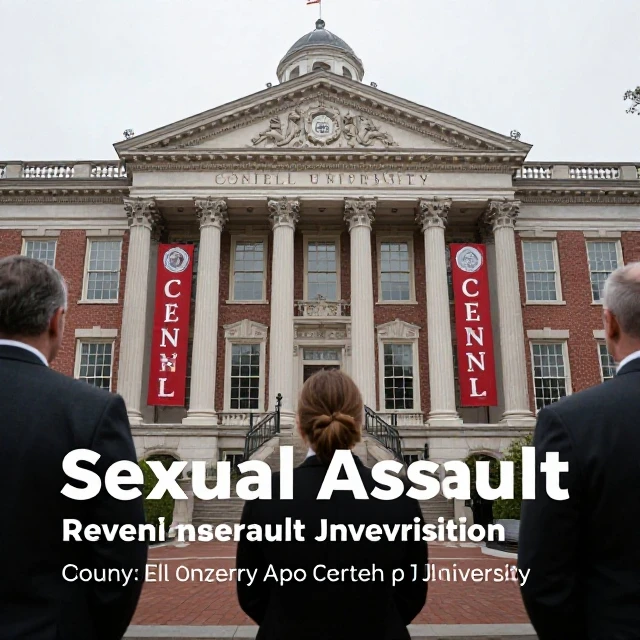
The Tompkins County District Attorney has reopened a sexual assault investigation at Cornell University following public outrage over allegations detailed in a civil lawsuit. The case centers on seven fraternity members from the now-closed Chi Phi chapter. After initially declining to pursue criminal charges, the DA will now revisit that decision, signaling a significant shift in the legal response to the allegations.
The DA also acknowledged a significant distinction between the original account and the allegations contained in the later lawsuit. This discrepancy raises questions about the evolution of the claims and the evidence available at different stages. The civil lawsuit remains a separate legal matter, proceeding independently of the criminal investigation. Meanwhile, Cornell University has emphasized that the Chi Phi fraternity was closed in 2024 and remains barred from campus, and that “any suggestion that the university did not impose consequential punishments for those involved is false.”
A key development in the reopened investigation is the emergence of text messages that attorney Giuffra described as a “critical piece of evidence” provided to authorities in 2024. According to Giuffra, “This was a critical piece of evidence supporting that a crime had occurred.” These messages could prove pivotal in determining whether criminal charges are warranted. The case has prompted significant public reaction, with many calling for a thorough reexamination of the initial decision not to prosecute.
As the investigation proceeds, the DA’s office will need to reconcile the original account with the lawsuit’s allegations and assess the weight of the newly highlighted evidence. The outcome could have broader implications for how sexual assault allegations are handled at universities and in the criminal justice system. For now, the reopened case underscores the importance of taking all evidence seriously and ensuring that survivors’ voices are heard.

 Shimanta Das