Trump’s White House Media Ban Sparks Lawsuits from CNN, MSNBC, and Politico
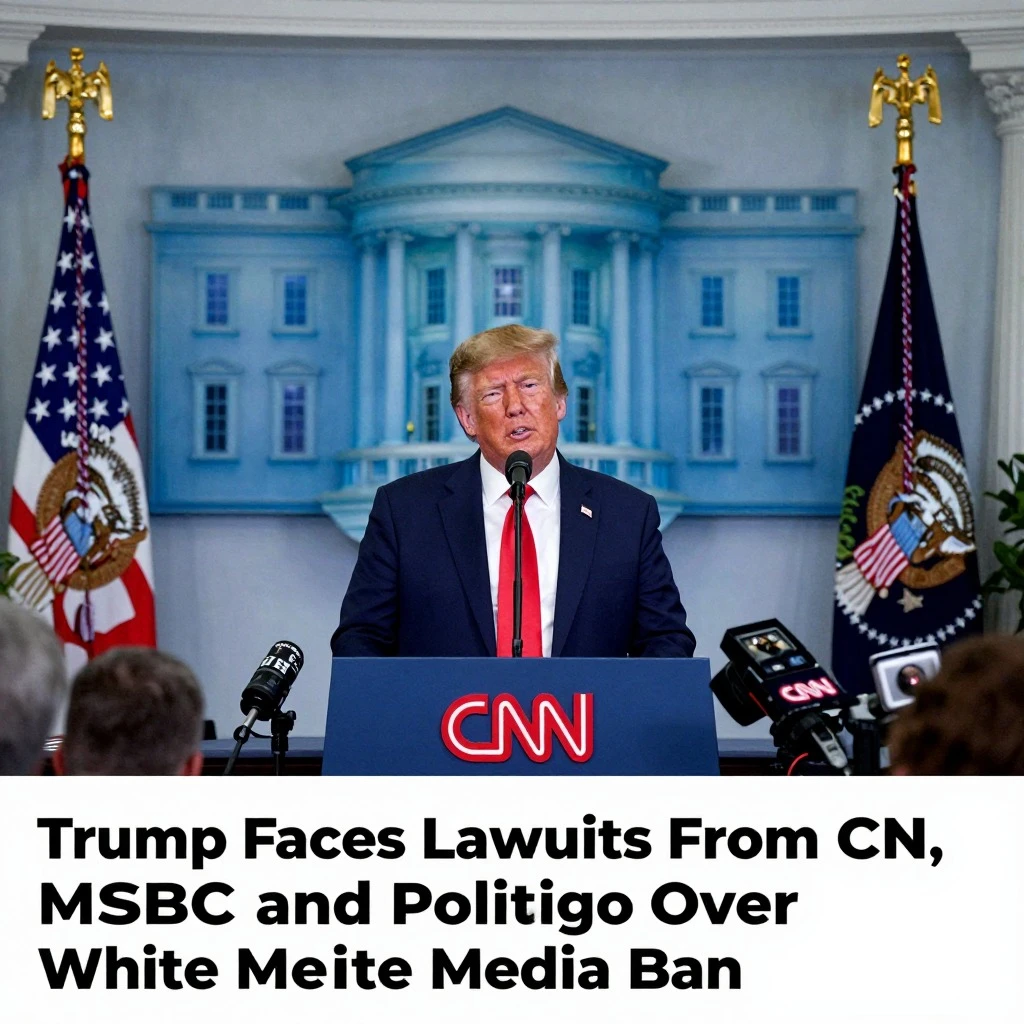
In an unprecedented escalation of tensions with the press, President Donald Trump has barred CNN, MSNBC (referred to as MS NOW in some reports), and Politico from accessing the White House, prompting the three news organizations to file lawsuits. The move, which critics say is a direct attack on press freedom, comes as the White House launched its own round-the-clock video channel, dubbed “Trump TV: The Essentials Station,” just days after the ban was enacted. The channel appears designed to serve as an official government messaging tool, bypassing traditional media scrutiny.
The White House has defended the ban, with Trump stating that “Fake News people and publications that only write negatively, and who violate our National Security by writing false and defamatory stories with unknown ‘sources,’ shouldn’t be allowed access to the most important Office anywhere in the World.” In addition to the access ban, CNN was removed from its pool duties—a rotating responsibility shared among major networks to provide coverage for all media. The TV pool, consisting of the five major networks, announced there would be no replacement coverage following the White House’s actions, further limiting independent reporting.
This attempt to block White House access to disfavored news outlets takes Trump’s open hostility for critical reporting to a new extreme. While the administration frames the ban as a response to unfair coverage, the establishment of “Trump TV: The Essentials Station” raises concerns that the White House is creating a state-media-like apparatus. In more authoritarian political systems, such outlets can serve as official channels for government messaging, while independent media face significant restrictions. China, for example, has major state-owned outlets including CCTV and Xinhua, which are directly controlled by authorities. Russia similarly operates a media environment in which the government exercises extensive control over television and other major news outlets.
The lawsuits from CNN, MSNBC, and Politico argue that the ban violates the First Amendment and denies the public access to diverse perspectives. As the legal battle unfolds, the case will test the limits of presidential power over media access and could set a precedent for how future administrations interact with the press. The outcome will have far-reaching implications for democracy and the role of a free press in holding power accountable.
 Shimanta Das