Trump Unveils Plan for AI Task Force and ‘AI Czar’ in Strategic Push Against China
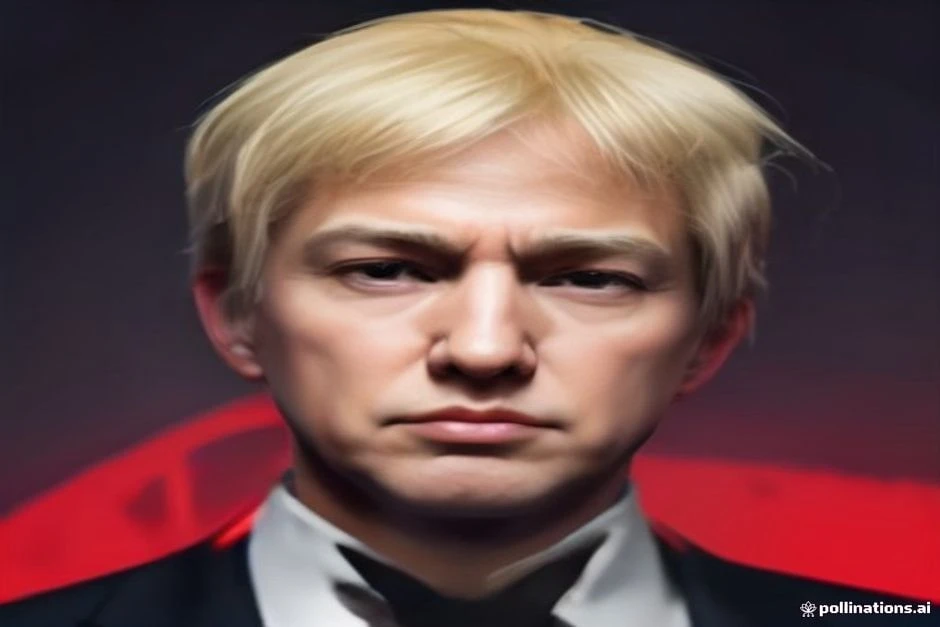
President Donald Trump announced on Saturday that he plans to create an “AI Force” and appoint an artificial intelligence “czar”, a notable shift from his recent insistence that the rapidly growing technology sector does not need new guardrails. In a lengthy social media post, Trump said the initiative aims to protect and advance AI development, which he described as “the next Industrial Revolution” and a key driver of U.S. economic growth. The announcement underscores his anti-regulatory, pro-growth stance toward a technology he views as critical to competing against China.nnTrump has repeatedly framed AI as a strategic competition with China, warning that the United States must maintain its lead in the sector. He stressed the importance of maintaining an international competitive edge in the global tech race, and his plan seeks to help U.S.-based industry leaders compete with other countries—namely China. The move comes amid growing calls from lawmakers in both major political parties to rein in AI, particularly in the run-up to November’s midterm elections. However, Trump’s proposal reflects his preference for a light-touch regulatory approach rather than new restrictions.nnIndustry experts weighed in on the announcement. John Walsh, chief technology officer for government and critical infrastructure at IGEL, told Newsweek that “the opportunity is not simply to create another government organization.” He emphasized that “once AI can access systems, execute transactions, modify configurations, or interact with critical infrastructure, trust must become an engineering discipline.” Walsh also noted that “international adoption can follow as these standards become important for market access, much as we have seen with established cybersecurity certification models.” His comments highlight the need for robust technical standards and trust mechanisms as AI becomes more deeply integrated into critical systems.nnThe creation of an AI task force and a czar signals a more coordinated federal approach to AI policy, balancing innovation with security concerns. While Trump has previously resisted new regulations, the new initiative suggests a recognition that strategic oversight may be necessary to ensure U.S. leadership. As AI continues to evolve, the administration’s approach will likely face scrutiny from both proponents of rapid development and those advocating for stronger safeguards. The coming months will reveal
 Shimanta Das