
U.S. Immigration Enforcement Faces New Legal Challenges Over Deportations
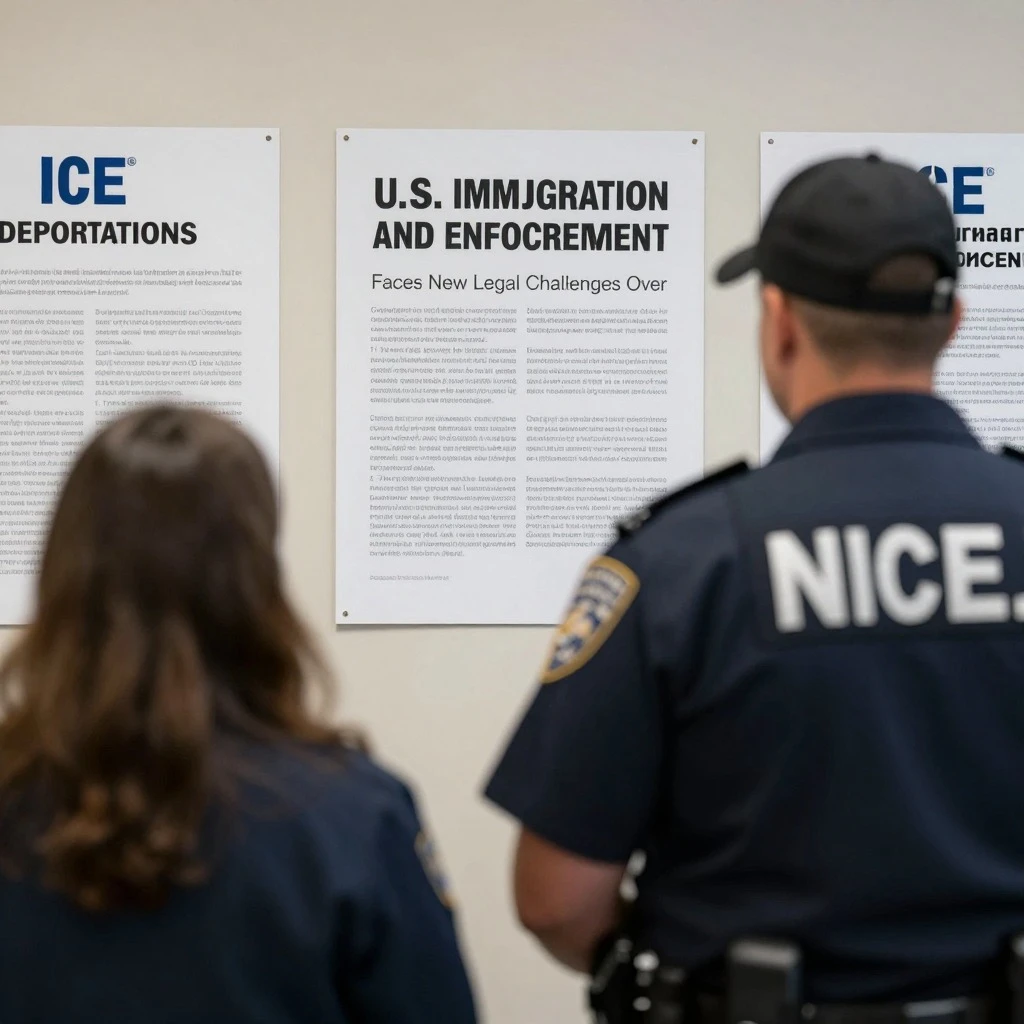
U.S. Immigration and Customs Enforcement (ICE) has quietly stopped disclosing the locations of thousands of detainees who are subject to final deportation orders, according to current and former officials. This unannounced policy shift has made it significantly harder for lawyers and family members to locate individuals in custody, raising concerns about due process and access to legal representation. Despite this change, preliminary government data reviewed by Reuters indicates that actual deportations have remained largely unchanged, suggesting that the opacity is not translating into higher removal numbers.
The challenges to increasing deportations are multifaceted. The demographics of those being detained play a critical role: many detainees have pending asylum claims or other legal relief, complicating removal efforts. The asylum system allows individuals inside the U.S. or at the border to request protection if they fear persecution in their home country. Additionally, the Trump administration had signed a deal to acquire six Boeing 737s for deportation flights, but these aircraft remain under Federal Aviation Administration (FAA) inspections and are not yet in service, further limiting logistical capacity.
Legal and logistical hurdles also stem from the roles of key decision-makers. ICE attorneys act as prosecutors in immigration court, while immigration judges preside over cases. These officials must navigate a complex system where detainees often have valid claims to remain. Lawsuits challenging deportation orders, though difficult to win, serve as an important check on enforcement actions. Without transparency about detainee locations, attorneys struggle to file habeas corpus petitions or stay requests, effectively weakening that check.
In summary, while ICE’s reduced transparency has created new obstacles for legal representatives and families, it has not yet resulted in a surge in deportations. The combination of detainee demographics, pending aircraft inspections, and the inherent checks within the immigration court system continues to pose significant challenges to the administration’s goal of ramping up removals. As legal battles unfold, the balance between enforcement and due process remains a contentious issue.

 Shimanta Das