Oil Prices Surge as Iran War Disrupts Energy Supplies: The Strait of Hormuz Crisis
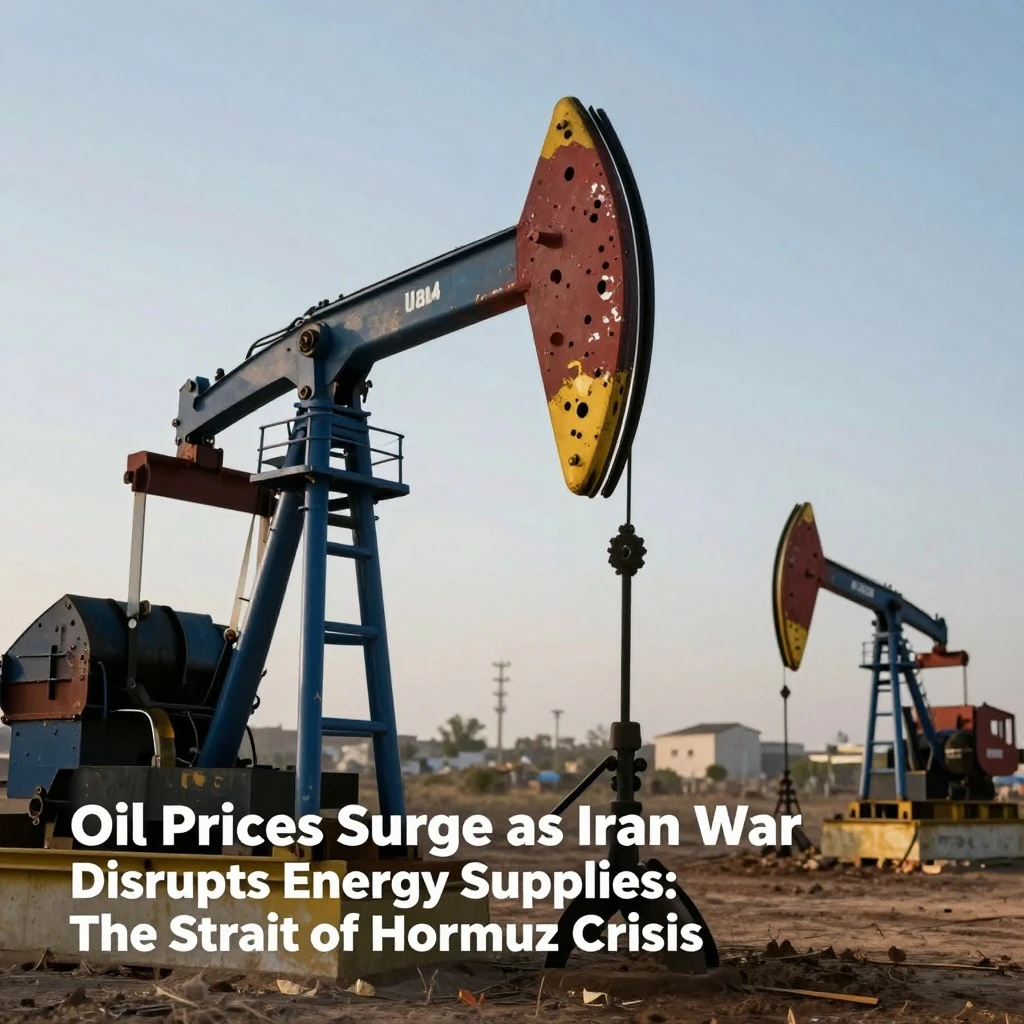
The Iran war has triggered a seismic shock across global oil markets, sending crude prices soaring and intensifying geopolitical risks throughout energy systems. At the heart of the crisis lies the Strait of Hormuz, a critical chokepoint that carries a significant share of the world’s crude exports. Iran’s closure of the strait disrupted 20% of global oil supplies and substantial liquefied natural gas (LNG) volumes, prompting the International Energy Agency (IEA) to characterize the disruption as the largest supply shock in history. Brent prices surpassed $100 per barrel as traders grappled with the unprecedented supply uncertainty. Even after Iran and the United States announced a ceasefire on 8 April, ship traffic through the Strait of Hormuz remained far below pre-war levels, underscoring the lingering fragility of energy supply chains.nnThe conflict has reshaped global oil markets, increasing volatility and raising concerns about prolonged supply disruptions. While the United States can build stocks, international supplies remain constrained by shipping bottlenecks, damaged infrastructure, and reduced exports from the Middle East. Satellite imagery analysis by Bloomberg and the Energy Economics and Society Research Institute in Tokyo revealed that Qatar’s main gas facility, Ras Laffan, appeared undamaged before an “unprecedented shutdown” that sent fuel prices higher. This suggests that even without physical damage, the mere threat of conflict and the closure of key chokepoints can cripple energy flows. The LNG market, in particular, has been jolted as Qatar is a major exporter, and any interruption reverberates across Asia and Europe.nnOngoing analysis of the conflict’s impact on oil and gas prices, supply, and critical chokepoints like the Strait of Hormuz remains essential for understanding the evolving energy landscape. The war has not only disrupted immediate supplies but also heightened geopolitical risk across energy systems, prompting traders and policymakers to reassess security of supply. With the strait’s traffic still depressed and infrastructure vulnerabilities exposed, the road to normalization is fraught with uncertainty. The IEA’s designation of this as the largest supply shock in history signals that the consequences will be felt for months, if not years, as markets adapt to a new reality of heightened risk and

 Shimanta Das