Russia Denies Plans to Attack NATO and Europe as Tensions Simmer
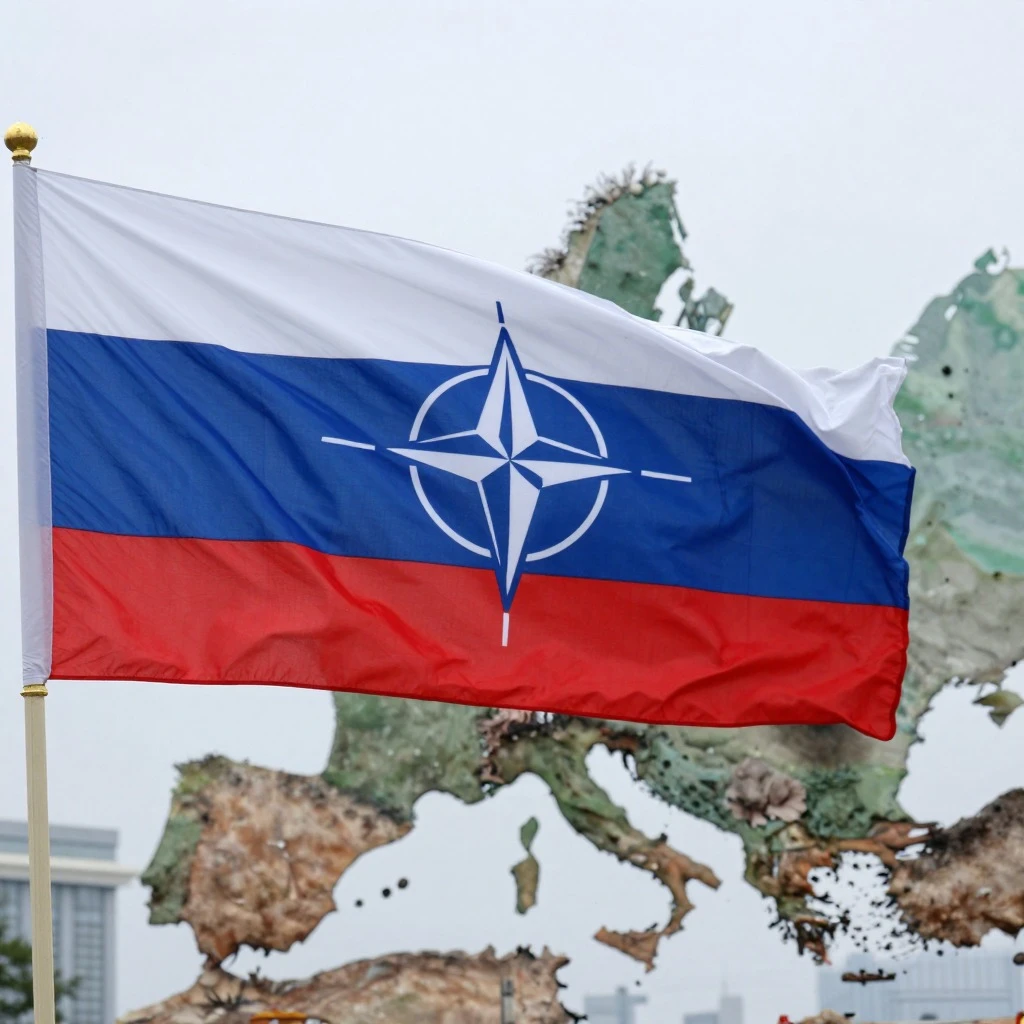
Russian officials have publicly stated that Moscow has no intention of attacking NATO or European countries, pushing back against Western reports suggesting otherwise. President Vladimir Putin said Russia has no intention of threatening European countries, contrary to claims by “European elites”: “There is no such threat, and there never has been. We are not threatening European countries, and we have no intention of doing so.” Foreign Minister Sergei Lavrov echoed this at the UN General Assembly, stating that Russia had no intention of attacking EU or NATO member states, but warned of a “decisive response” to any “aggression” directed towards Moscow. Lavrov also criticized Western threats against Russia as becoming “increasingly common,” and took aim at Israel over the conflict in Gaza.
Despite these denials, concerns persist in the West. Multiple US outlets reported that CIA Director John Ratcliffe visited Moscow to warn Russia against striking the alliance, with The Wall Street Journal suggesting Russia might test NATO with a “limited assault” within a few years. However, European intelligence agencies see no sign that Russia is planning a military attack on European NATO countries, according to a senior EU official. European officials also stated there is no evidence that Russia is preparing for a conventional military attack on NATO or the Baltic states, pushing back against reports regarding the primary focus of Ratcliffe’s unannounced visit.
Meanwhile, NATO member states are taking precautionary measures. Germany has been developing a national wartime preparedness strategy known as “OPLAN DEU,” aimed at strengthening readiness in the event of a major NATO-related conflict. This reflects ongoing vigilance despite Russia’s assurances. The mixed signals highlight the fragile trust between Russia and the West, with diplomatic rhetoric often at odds with military preparations.
In summary, while Russia insists it has no plans to attack NATO or Europe, Western nations remain cautious, bolstered by intelligence assessments that downplay immediate threats but acknowledge long-term risks. The situation underscores the importance of continued dialogue and transparency to prevent miscalculation and maintain stability in the region.
 Shimanta Das